
Other Ways to Say Thank You for Your Concern: 25+ Polite Alternatives
When someone shows concern about your health, feelings, safety, or personal situation, replying politely can strengthen your relationship with them. The phrase “thank you for your concern” is respectful, but sometimes you may want a warmer, more professional, or more natural alternative. In this article, we will explore other ways to say thank you for your concern in different situations.
Why Say Thank You For Your Concern?
Saying thank you for someone’s concern shows that you appreciate their kindness and attention. It acknowledges that they took the time to check on you or offer support. Whether the person is a friend, coworker, family member, teacher, or manager, a thoughtful response can make the conversation more positive and show that you value their consideration.
Other Ways To Say Thank You For Your Concern
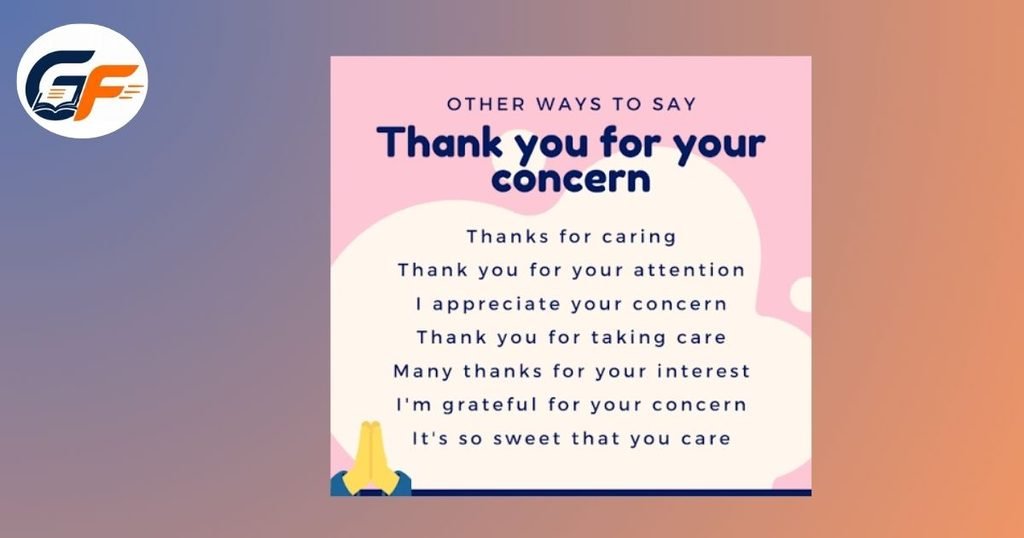
There are many alternatives to “thank you for your concern.” You can choose a phrase depending on your relationship with the person and the situation. Some expressions sound formal, while others are casual and friendly. Common alternatives include “I appreciate your concern,” “Thank you for checking on me,” “I really appreciate you asking,” and “It means a lot that you care.”
Read More: MF Meaning In Instagram: What Does MF Mean On Instagram?
I Appreciate Your Concern
“I appreciate your concern” is one of the closest alternatives to “thank you for your concern.” It sounds polite, sincere, and professional. You can use it when responding to a coworker, manager, teacher, client, or someone you do not know very well. It works particularly well when someone has expressed worry about your health, safety, work, or personal circumstances.
Thank You For Checking On Me
“Thank you for checking on me” sounds warm and natural, especially when someone contacts you to see whether you are doing okay. It works well with friends, relatives, coworkers, and acquaintances. This expression makes it clear that you noticed their effort and appreciate the fact that they took the time to ask about your situation.
I Really Appreciate You Asking
“I really appreciate you asking” is a friendly and sincere response. It is useful when someone asks how you are feeling or whether everything is okay. The phrase sounds less formal than “thank you for your concern,” making it suitable for everyday conversations. You can also use it in messages, emails, or face-to-face conversations.
It Means A Lot That You Care
“It means a lot that you care” communicates deeper appreciation. This expression is especially suitable when someone has offered emotional support during a difficult or stressful period. It tells the other person that their kindness has made a difference. Because it sounds personal and heartfelt, it is often better suited to friends, family members, and close colleagues.
Thank You For Caring
“Thank you for caring” is short, simple, and meaningful. It directly recognizes someone’s kindness without sounding overly formal. You can use it when a person asks about your well-being, offers help, or expresses concern about something happening in your life. It is especially natural in personal conversations where a warm and genuine response is appropriate.
Thank You For Thinking Of Me
“Thank you for thinking of me” is another thoughtful alternative. It works particularly well when someone sends a message, calls, or reaches out because they are worried about you. The phrase focuses on their effort and kindness rather than the concern itself. It can sound warm without being overly emotional, making it useful in many personal situations.
I’m Grateful For Your Concern
“I’m grateful for your concern” is a more formal and appreciative expression. It can be used when someone has shown genuine care during a difficult situation. The word “grateful” adds a stronger sense of appreciation than a simple “thank you.” This phrase works well in professional messages, formal conversations, and situations where you want to sound especially respectful.
Thank You For Your Kindness
“Thank you for your kindness” is a flexible phrase that can replace “thank you for your concern” in many situations. It recognizes not only the person’s concern but also their overall kindness. You can use it after receiving supportive words, a thoughtful message, or an offer of help. It sounds polite, warm, and appropriate for both personal and professional communication.
I’m Thankful You Reached Out
“I’m thankful you reached out” is a natural way to respond when someone contacts you to ask how you are doing. It shows that you noticed and valued their effort. This phrase can be especially useful in text messages or emails because it sounds conversational. It also communicates appreciation without making the response sound overly formal.
Thank You For Your Support
“Thank you for your support” is useful when someone’s concern comes with encouragement, advice, or practical help. The phrase emphasizes the support you received rather than simply their worry. It can be used with friends, family, coworkers, managers, and professional contacts. It is particularly appropriate when someone has stayed in contact with you during a challenging time.
I’m Glad You Asked
“I’m glad you asked” is a friendly and conversational alternative. It works when you are comfortable discussing your situation and want to encourage the other person to continue the conversation. It can make your response feel open and positive. However, if you do not want to discuss the matter further, a shorter response may be more suitable.
Thanks For Looking Out For Me
“Thanks for looking out for me” is casual and warm. It is commonly used with friends, family members, teammates, and close coworkers. The expression means that you appreciate someone paying attention to your well-being. Because it has an informal tone, it may not be the best choice for highly formal emails or professional situations involving senior colleagues.
I’m Touched By Your Concern
“I’m touched by your concern” communicates sincere emotional appreciation. It is appropriate when someone’s kindness genuinely affects you. The phrase can be used after receiving a thoughtful message or hearing supportive words during a difficult situation. It has a warmer and more emotional tone than “thank you for your concern,” so it is generally best for personal conversations.
Your Concern Is Truly Appreciated
“Your concern is truly appreciated” is a formal alternative that can work well in professional communication. It sounds respectful and acknowledges the other person’s consideration. This phrase may be useful in emails, workplace conversations, or formal replies where you want to maintain a polite tone. It is more formal than everyday expressions such as “thanks for checking on me.”
Thank You For Taking The Time To Ask
“Thank you for taking the time to ask” recognizes the effort someone made to check on you. It is especially useful when the person could have been busy but still contacted you. This expression works well in professional and personal settings. It sounds thoughtful and respectful because it specifically acknowledges the time and attention the other person gave.
I Appreciate You Checking In
“I appreciate you checking in” is natural, friendly, and versatile. It can be used when someone sends a message, calls you, or asks about your situation in person. The phrase is particularly common in everyday English and workplace communication. It shows appreciation without sounding too emotional or overly formal, making it a useful alternative in many conversations.
Thanks For Being So Thoughtful
“Thanks for being so thoughtful” is a warm way to recognize someone’s kindness. It can be used after someone checks on you, offers assistance, or remembers something important about your situation. The phrase focuses on the person’s thoughtful behavior. It works especially well with friends, relatives, and coworkers with whom you have a comfortable relationship.
I’m Thankful For Your Support And Concern
When someone has both expressed concern and provided support, you can say, “I’m thankful for your support and concern.” This response acknowledges both parts of their kindness. It sounds sincere and appreciative without being excessively emotional. It can be used in personal messages, workplace conversations, or emails when someone has genuinely taken an interest in your well-being.
Your Kind Words Mean A Lot
“Your kind words mean a lot” is appropriate when someone’s concern was expressed through encouraging or comforting words. Rather than simply thanking them for being concerned, you are recognizing the emotional value of what they said. This phrase is particularly suitable when responding to friends, family, coworkers, or anyone who has offered reassurance during a difficult moment.
Thank You For Reaching Out
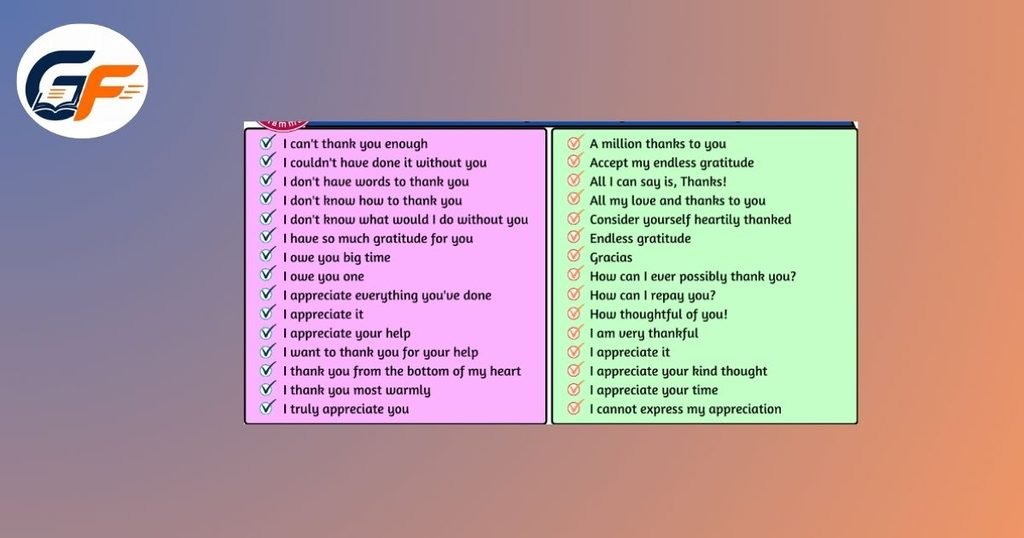
“Thank you for reaching out” is one of the most useful alternatives to “thank you for your concern.” It works in both professional and personal communication. You can use it when someone sends a message, makes a phone call, or contacts you to offer support. It is polite, natural, and flexible enough for many different situations.
I Truly Appreciate Your Thoughtfulness
“I truly appreciate your thoughtfulness” sounds sincere and slightly formal. It is a good choice when someone has made a special effort to show concern or support. The word “truly” adds emphasis without making the sentence too emotional. You can use this expression in a thank-you message, email, or conversation when you want to show genuine gratitude.
Thank You For Being Concerned About Me
“Thank you for being concerned about me” is a direct and personal alternative. It clearly acknowledges the person’s feelings and shows that you appreciate their attention. This phrase is most natural in personal conversations. It may be appropriate when a friend, relative, or close colleague has asked about your health, safety, emotions, or general well-being.
I’m Grateful You Checked In
“I’m grateful you checked in” is warm and concise. It is useful when someone has contacted you after hearing that you were having a difficult time. The phrase shows that their effort mattered to you. It can be used in texts, emails, and conversations. For close relationships, it can sound more heartfelt than the standard “thank you for your concern.”
Thanks For Your Kind Thoughts
“Thanks for your kind thoughts” is a gentle alternative when someone has expressed sympathy, encouragement, or concern. It can be particularly appropriate after a difficult event or personal challenge. The phrase is polite without being overly emotional. It also works well in written messages because it communicates appreciation while keeping the response short and respectful.
Thank You For Your Understanding And Concern
If someone’s concern is connected to a personal or professional difficulty, you can say, “Thank you for your understanding and concern.” This phrase recognizes both their empathy and their willingness to understand your situation. It is suitable for workplace emails, academic communication, and personal conversations where the other person has shown patience and consideration.
How To Say Thank You For Your Concern Professionally
In professional situations, it is usually better to choose clear and respectful language. Expressions such as “I appreciate your concern,” “Thank you for checking in,” and “Your concern is greatly appreciated” can work well. Avoid overly emotional wording when communicating with clients, managers, or professional contacts. Keep your response brief, polite, and appropriate to the relationship.
How To Say Thank You For Your Concern To A Friend
With a friend, your response can be more relaxed and personal. You might say, “Thanks for checking on me,” “I really appreciate you asking,” or “It means a lot that you care.” These expressions sound natural in texts and conversations. A friendly response does not need to be complicated because genuine appreciation is often best expressed in simple words.
How To Say Thank You For Your Concern In A Text
Text messages usually work best with short, conversational responses. You can say, “Thanks for checking on me,” “I appreciate you asking,” or “Thanks for caring.” If you want something warmer, you can write, “It really means a lot that you checked in.” The best choice depends on how close you are to the person and what happened.
How To Respond When Someone Is Worried About You
When someone is worried about you, acknowledge their concern before deciding whether you want to share more information. A simple “I appreciate you checking on me” can be enough. If you feel comfortable, you can add an update about how you are doing. This approach shows appreciation while allowing you to control how much personal information you share.
How To Choose The Right Alternative
Choosing the right expression depends mainly on the relationship, setting, and emotional tone. For formal situations, “I appreciate your concern” is appropriate. For friends, “Thanks for looking out for me” sounds natural. For emotional situations, “It means a lot that you care” may feel more sincere. Always consider whether the conversation is professional, casual, personal, or sensitive.
Short Ways To Say Thank You For Your Concern
Sometimes you only need a brief response. Simple alternatives include “I appreciate it,” “Thanks for checking in,” “Thank you for caring,” “Thanks for asking,” “I’m grateful,” and “I appreciate your support.” These short expressions are useful for text messages and quick conversations. They acknowledge the other person’s concern without requiring a long explanation or detailed response.
Warm Ways To Say Thank You For Your Concern
If you want your response to sound warm, choose language that recognizes the person’s emotional support. “It means a lot that you care,” “I’m touched by your concern,” and “Thank you for being there for me” are good examples. These expressions communicate more than basic politeness and can help strengthen personal relationships through sincere appreciation.
Formal Ways To Say Thank You For Your Concern
Formal alternatives are useful in workplaces, academic environments, business emails, and other professional settings. Examples include “I sincerely appreciate your concern,” “Your concern is greatly appreciated,” “Thank you for your consideration,” and “I’m grateful for your thoughtful concern.” These expressions maintain a respectful tone while clearly acknowledging the person’s attention and support.
Can You Say I Appreciate Your Concern?
Yes, “I appreciate your concern” is grammatically correct and widely understood. It is one of the most natural alternatives to “thank you for your concern.” It can be used in both professional and personal communication. Depending on your tone, it can sound sincere, neutral, or formal. You can also add a short update if you want to continue the conversation.
Is Thank You For Checking On Me ” the Same?
“Thank you for checking on me” has a similar meaning but focuses more specifically on the person’s action. “Thank you for your concern” focuses on their feelings or attention. Both expressions can be used when someone asks about your well-being. “Checking on me” often sounds more conversational, while “your concern” can sound more formal.
What Is The Best Alternative To Thank You For Your Concern?
There is no single alternative that works best in every situation. “I appreciate your concern” is a close and versatile replacement. For casual conversations, “Thanks for checking on me” sounds natural. For a heartfelt response, “It means a lot that you care” may be more suitable. The right expression depends on your relationship with the person and the context.
Other Ways To Say Thank You For Your Concern In An Email
In an email, you can write “I appreciate your concern,” “Thank you for checking in,” or “I sincerely appreciate your thoughtfulness.” If the email is professional, keep the message concise and respectful. If the sender is someone you know well, you can use a warmer expression. The key is to match your wording with the formality of the relationship.
Final Thoughts
Knowing other ways to say thank you for your concern can help you communicate with greater confidence in different situations. You can choose a formal expression such as “I appreciate your concern,” a casual phrase like “Thanks for checking on me,” or a heartfelt response such as “It means a lot that you care.” The best response is one that naturally matches the situation and your relationship with the person.
FAQs
What Is Another Way To Say Thank You For Your Concern?
You can say “I appreciate your concern,” “Thank you for checking on me,” “I’m grateful for your concern,” or “Thanks for caring.” The best phrase depends on whether you want to sound formal, friendly, or heartfelt.
How Do You Say Thank You For Checking On Me?
You can simply say, “Thank you for checking on me. I really appreciate it.” For a more casual response, “Thanks for checking in on me” sounds natural and friendly.
Is I Appreciate Your Concern ” a Good Response?
Yes, “I appreciate your concern” is a polite and respectful response. It works well in professional conversations, emails, and personal situations when someone has shown interest in your well-being.