

Science Words That Start With P: A Complete Scientific Vocabulary Guide
Science includes thousands of words used to describe living organisms, matter, energy, Earth, space, and natural processes. Learning science words that start with P can help students understand textbooks, assignments, experiments, and scientific discussions more easily. Words such as photosynthesis, protein, proton, pressure, precipitation, and plasma are common across different scientific fields. In this article, we explore useful scientific terms beginning with P and explain their meanings in simple language.
What Are Science Words That Start With P?
Science words that start with P are terms used in scientific subjects such as biology, chemistry, physics, astronomy, and Earth science. These words can describe objects, processes, measurements, substances, and scientific principles. Examples include particle, pressure, planet, pigment, polymer, population, and photosynthesis.
Understanding these terms makes it easier to read scientific material and communicate scientific ideas. Students can also use this vocabulary when preparing notes, completing homework, studying for exams, or conducting classroom experiments.
Photosynthesis
Photosynthesis is the process through which green plants, algae, and some microorganisms use light energy to produce chemical energy. Plants generally use carbon dioxide and water to make glucose, while oxygen is released as a by-product.
Chlorophyll plays an important role in capturing light energy. Photosynthesis is essential because it supports most food chains and contributes oxygen to Earth’s atmosphere. This process is one of the most important concepts studied in biology and environmental science.
Protein
Protein is a large biological molecule made from chains of amino acids. Proteins perform many important functions in living organisms, including building tissues, transporting substances, supporting immune responses, and helping chemical reactions occur.
Enzymes are a major group of proteins that act as biological catalysts. Proteins are found in foods such as eggs, beans, meat, dairy products, and nuts. In biology and biochemistry, studying proteins helps scientists understand how cells and organisms function.
Proton
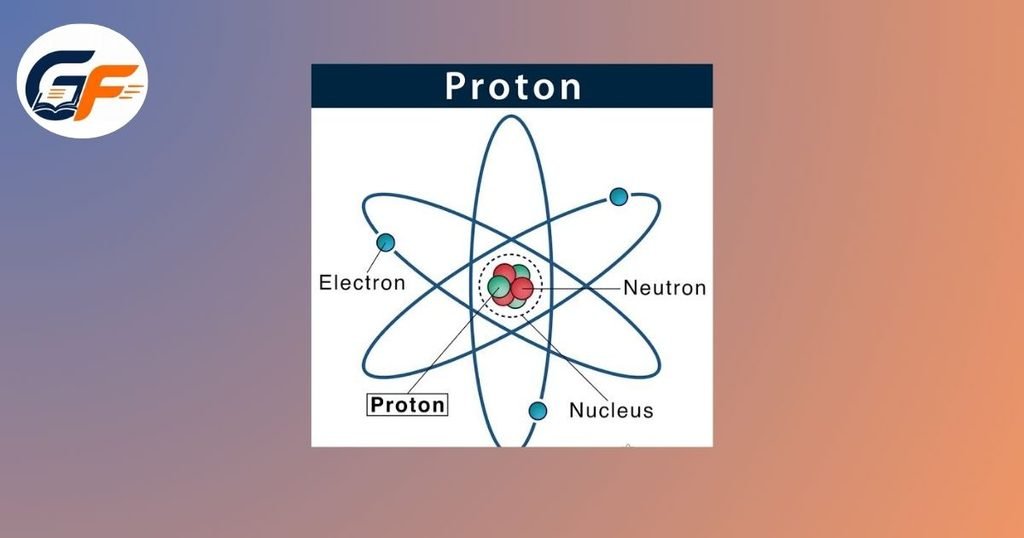
A proton is a positively charged subatomic particle found inside the nucleus of an atom. The number of protons in an atom determines which chemical element it represents. For example, hydrogen has one proton, while carbon has six.
Protons are made of smaller particles called quarks. Together with neutrons, they form most of an atom’s nucleus. The proton is an important concept in chemistry, physics, nuclear science, and the study of atomic structure.
Pressure
Pressure describes the amount of force applied over a specific area. It is an important concept in physics and can also be used in chemistry, meteorology, and engineering. Pressure is commonly measured in units such as pascals.
Air pressure, water pressure, and gas pressure are familiar examples. Pressure can change with depth, temperature, and the amount of gas present. Understanding pressure helps explain weather patterns, fluid behavior, machinery, and many everyday physical phenomena.
Particle
A particle is a small unit of matter or energy used to describe microscopic components of the physical world. Depending on the context, particles can include atoms, molecules, electrons, protons, neutrons, or other smaller entities.
Particle physics investigates fundamental particles and the forces that act between them. The word is also commonly used in chemistry and environmental science to describe tiny pieces of material suspended in air, water, or other substances.
Plasma
Plasma is often called the fourth state of matter, alongside solids, liquids, and gases. It forms when a gas receives enough energy for some of its atoms or molecules to become ionized, producing charged particles.
Plasma occurs naturally in stars, including the Sun, and can also be created in laboratories and technological devices. Lightning is another example of naturally occurring plasma. Scientists study plasma in physics, astronomy, energy research, and space science.
Polymer
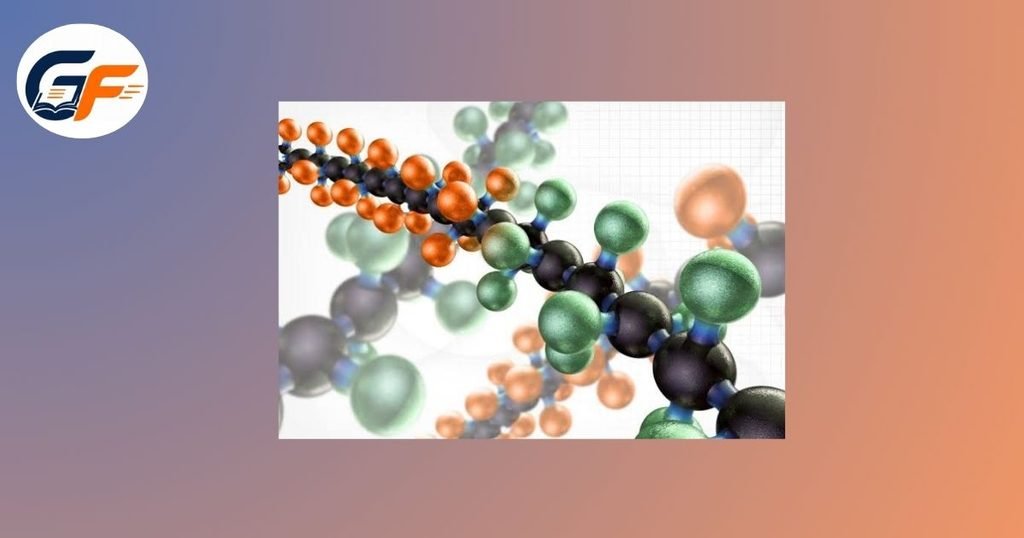
A polymer is a large molecule made from repeating smaller units called monomers. Polymers can occur naturally or be produced synthetically. Natural polymers include substances such as cellulose, proteins, and DNA, while synthetic polymers are used to make many plastics, fibers, and other materials. Polymer science examines their structure, properties, and applications. These materials are important in medicine, manufacturing, packaging, construction, textiles, and numerous modern technologies.
Population
In biology and ecology, a population is a group of organisms of the same species living in a particular area at the same time. Scientists study populations to understand their size, density, distribution, reproduction, and changes over time. Population studies can help researchers understand how environmental conditions affect organisms. For example, scientists may monitor a population of deer in a forest to determine whether its numbers are increasing, decreasing, or remaining relatively stable.
Read More: Science Words That Start With D: A Complete Guide
Precipitation
Precipitation refers to water that falls from the atmosphere to Earth’s surface. Rain, snow, sleet, and hail are common forms of precipitation. It is an important part of the water cycle and helps replenish rivers, lakes, groundwater, and soil moisture. Meteorologists study atmospheric conditions to understand and predict precipitation. The amount and type of precipitation can vary according to temperature, humidity, air pressure, clouds, and geographic conditions.
Photosphere
The photosphere is the visible surface layer of the Sun from which most of the sunlight we observe is emitted. It lies beneath the Sun’s atmosphere and has a temperature of roughly several thousand kelvin. Scientists observe the photosphere to study sunspots, granules, and other solar features. Although it appears like a solid surface from Earth, the Sun is actually made of extremely hot plasma. The photosphere is an important topic in astronomy and solar physics.
Pigment
A pigment is a substance that gives color to materials by absorbing certain wavelengths of light and reflecting others. In biology, chlorophyll is an important pigment involved in photosynthesis. Other pigments produce colors in plants, animals, and microorganisms. Scientists study pigments in biology, chemistry, medicine, and materials science. Pigments also have practical uses in paints, cosmetics, textiles, printing, and food products. Their colors depend on their chemical structures and interactions with light.
Pathogen
A pathogen is an organism or biological agent capable of causing disease in a host. Pathogens can include certain bacteria, viruses, fungi, parasites, and other infectious agents. Scientists study pathogens to understand how diseases develop and spread.
Research into pathogens contributes to disease prevention, diagnosis, treatments, vaccines, and public health. The interaction between a pathogen and its host can depend on many factors, including the immune system, environment, transmission method, and characteristics of the pathogen.
Parasite
A parasite is an organism that lives on or inside another organism, known as its host, and obtains resources from it. Parasites can include worms, protozoans, insects, and other organisms.
Their relationships with hosts are studied in parasitology and ecology. Some parasites can cause diseases or weaken their hosts, while others have complex life cycles involving multiple hosts. Understanding parasites helps scientists study biodiversity, ecosystems, animal health, and infectious diseases.
Photosynthesis Pigments
Photosynthetic organisms contain pigments that absorb light needed for photosynthesis. Chlorophyll is the primary pigment in plants and many algae, while accessory pigments can capture additional wavelengths of light.
These pigments work together to maximize the amount of usable light available to the organism. Studying photosynthetic pigments helps scientists understand how plants convert light energy into chemical energy. It also provides useful knowledge for agriculture, ecology, plant biology, and research into photosynthetic technologies.
Periodic Table
The periodic table is a systematic arrangement of chemical elements according to their atomic structure and recurring properties. Elements are organized by increasing atomic number into rows called periods and columns called groups.
The table allows scientists and students to identify relationships between elements and predict certain chemical behaviors. It includes familiar elements such as hydrogen, oxygen, carbon, iron, and gold. The periodic table is one of the most important tools in chemistry.
pH
pH is a scale used to describe how acidic or basic an aqueous solution is. The commonly used pH scale ranges from 0 to 14, with lower values generally indicating greater acidity and higher values indicating greater basicity.
A pH of 7 is considered neutral under standard conditions. Scientists use pH measurements in chemistry, biology, environmental science, agriculture, medicine, and water quality testing. pH can influence chemical reactions and biological processes.
Photosynthesis And Respiration
Photosynthesis and cellular respiration are important biological processes that are closely connected. Photosynthesis stores energy in chemical compounds by using light, while cellular respiration releases usable energy from organic molecules.
Plants perform both processes, although photosynthesis requires light while cellular respiration occurs continuously. Together, these processes contribute to the movement of energy and matter through living systems. Understanding their relationship is fundamental to studying biology, ecology, and the carbon cycle.
Phylum
A phylum is a major taxonomic rank used to classify organisms based on shared characteristics and evolutionary relationships. It is generally positioned below kingdom and above class in the traditional biological classification system.
For example, animals with backbones belong to the phylum Chordata. Scientists use taxonomy to organize Earth’s enormous diversity of life. Studying phyla helps students understand how organisms are grouped according to characteristics and evolutionary history.
Phenotype
A phenotype refers to the observable characteristics of an organism. These characteristics can include physical features such as height, eye color, body shape, or flower color, as well as certain physiological or behavioral traits. Phenotypes are influenced by genes and environmental conditions.
For example, two organisms with similar genetic backgrounds may develop different characteristics under different environmental conditions. Phenotype is an important concept in genetics, evolutionary biology, agriculture, and developmental science.
Photosynthesis In Plants
Photosynthesis in plants mainly occurs inside specialized structures called chloroplasts. Chlorophyll absorbs light energy, which helps drive reactions that convert carbon dioxide and water into energy-rich organic compounds. Oxygen is released during the process. Photosynthesis allows plants to produce much of their own food and supports ecosystems by providing energy for herbivores and other organisms. It also contributes significantly to the cycling of carbon and oxygen throughout Earth’s environment.
Paleontology
Paleontology is the scientific study of ancient life through fossils and other geological evidence. Paleontologists investigate preserved remains and traces of organisms to understand how life has changed over millions of years.
Fossils can include bones, shells, footprints, leaves, and impressions. Paleontology helps scientists reconstruct ancient ecosystems and investigate evolution, extinction, and biodiversity. It connects biology and geology and provides evidence about organisms that lived long before modern humans appeared.
Physics
Physics is a major branch of science that studies matter, energy, motion, forces, space, and the fundamental interactions of nature. It includes areas such as mechanics, thermodynamics, electromagnetism, optics, quantum physics, and relativity.
Physicists use mathematical models, experiments, and observations to explain natural phenomena. Physics helps us understand everything from the movement of planets to the behavior of tiny particles. It also provides principles used in engineering, electronics, medicine, and technology.
Planet
A planet is a large astronomical body that orbits a star and meets specific criteria used for classification. In our solar system, the eight recognized planets are Mercury, Venus, Earth, Mars, Jupiter, Saturn, Uranus, and Neptune. Planets can be rocky or gaseous and vary greatly in size, temperature, atmosphere, and composition. Astronomy studies planets to understand their formation, evolution, physical properties, and potential environments for life.
Photons
A photon is a quantum or discrete packet of electromagnetic energy. Photons are associated with electromagnetic radiation, including visible light, radio waves, X-rays, and gamma rays. They have no rest mass and travel through a vacuum at the speed of light. The energy of a photon depends on its frequency. Photons are central to quantum physics and are important in technologies such as lasers, solar cells, medical imaging, and optical communication.
Pressure In Science
Pressure is used across many areas of science to explain how forces act on surfaces or how gases and liquids behave. In meteorology, atmospheric pressure helps scientists understand weather systems. In physics, pressure is important when studying fluids and gases.
In medicine, pressure can be measured in systems such as blood circulation. In engineering, pressure calculations help researchers design safe equipment. This makes pressure a versatile scientific concept with applications in everyday life and advanced research.
Final Words
There are many useful science words that start with P, covering subjects from biology and chemistry to physics, astronomy, and Earth science. Words such as photosynthesis, protein, proton, pressure, plasma, polymer, pathogen, precipitation, and planet represent important scientific concepts.
Learning these terms can improve scientific vocabulary and make complicated topics easier to understand. Whether you are a student preparing for an exam or simply interested in science, building a strong vocabulary is a helpful step toward understanding the natural world.
FAQs
What Are Some Science Words That Start With P?
Some common science words that start with P include photosynthesis, protein, proton, pressure, particle, plasma, polymer, pathogen, parasite, precipitation, pigment, planet, photon, and paleontology.
What Is A Science Word That Starts With P In Biology?
Photosynthesis is an important biology word that starts with P. It describes the process through which plants and other photosynthetic organisms convert light energy into chemical energy.
What Is A Science Word That Starts With P In Chemistry?
Periodic table is a major chemistry term beginning with P. It organizes chemical elements according to their atomic numbers and recurring chemical and physical properties.