

Food That Starts With M: 25 Delicious Foods You Should Know
Food is central to every culture, and exploring foods alphabetically is a fun way to discover new dishes. If you are searching for food that starts with M, you will find plenty of delicious options, including fruits, vegetables, desserts, snacks, and complete meals.
Popular examples include mangoes, macaroni, mushrooms, mozzarella, and muffins. Some foods are healthy everyday choices, while others are special treats enjoyed during celebrations. In this guide, we will explore different foods beginning with M, their flavors, uses, and interesting qualities.
Mango: The King of Fruits
Mango is one of the most popular tropical fruits and a delicious example of food that starts with M. It has sweet, juicy flesh and a pleasant aroma that many people love. Mangoes can be eaten fresh, blended into smoothies, or used in desserts, chutneys, and salads.
They provide vitamin C, fiber, and other nutrients that support a balanced diet. Different varieties have different colors, sizes, and flavors. Mangoes are especially popular during summer in countries such as Pakistan and India, where people enjoy fresh mangoes, mango shakes, and homemade mango ice cream.
Macaroni: A Favorite Pasta Dish
Macaroni is a type of pasta commonly shaped like small curved tubes. It is a versatile food that can be prepared in many delicious ways, making it a favorite among children and adults. Macaroni can be cooked with cheese, vegetables, chicken, or tomato sauce to create satisfying meals.
Macaroni and cheese is particularly popular in many countries because of its creamy texture and rich flavor. Whole-grain varieties may provide more fiber than refined pasta. For a balanced meal, macaroni can be combined with vegetables and a suitable protein source, creating a tasty lunch or dinner.
Mushrooms: Nutritious and Versatile
Mushrooms are edible fungi used in many cuisines around the world. They have an earthy flavor and a soft texture that works well in soups, pizzas, pasta, and stir-fried dishes. Some commonly eaten varieties include button mushrooms, oyster mushrooms, and shiitake mushrooms. Mushrooms provide nutrients such as B vitamins and, depending on the variety and growing conditions, vitamin D.
They are also relatively low in calories. Mushrooms can be grilled, roasted, sautéed, or added to sauces. However, wild mushrooms should never be eaten unless identified by a qualified expert because some species are poisonous.
Muffins: Small and Delicious Baked Treats
Muffins are small baked goods commonly enjoyed at breakfast or as snacks. They come in many flavors, including chocolate, blueberry, banana, and vanilla. Some muffins have a sweet taste, while others contain cheese, corn, or vegetables.
Their convenient size makes them easy to serve at parties, school events, and family gatherings. Muffins are generally prepared using flour, eggs, milk, and a raising agent. Their nutritional value depends on the ingredients and portion size. Homemade muffins allow people to adjust the sugar content and add ingredients such as fruit, oats, or nuts.
Mozzarella: A Popular Cheese
Mozzarella is a soft cheese widely used in Italian-inspired dishes. It is especially famous as a pizza topping because it melts beautifully and develops a stretchy texture when heated. Mozzarella is also used in sandwiches, pasta bakes, salads, and baked vegetables. It provides protein and calcium, although its nutritional content varies according to the type.
Fresh mozzarella is soft and moist, while low-moisture mozzarella is commonly used for baking. Combining mozzarella with tomatoes, basil, and whole-grain bread can create a simple and flavorful meal. Refrigeration and proper food handling help maintain its freshness and safety.
Meatballs: A Delicious Savory Food
Meatballs are small, round portions of seasoned ground meat that are cooked by baking, frying, steaming, or simmering in sauce. They are popular in many cultures, with recipes using beef, chicken, lamb, or other suitable ingredients. Some versions also use lentils or plant-based alternatives.
Meatballs can be served with spaghetti, rice, bread, or vegetables. Their flavor depends on the spices, herbs, and sauces used during preparation. Homemade meatballs allow cooks to control the salt and fat content. Cooking them thoroughly and handling raw meat carefully are important steps for preparing a safe and satisfying meal.
Milk: An Everyday Nutritious Drink
Milk is a widely consumed drink that can be used on its own or added to many recipes. It contains protein, calcium, and other nutrients, with exact amounts depending on the type. Milk is commonly used to prepare tea, coffee, porridge, custards, cakes, and smoothies.
Some people choose lactose-free milk or fortified plant-based alternatives because of dietary needs or personal preferences. Milk can contribute to a balanced diet when consumed in suitable portions. It should be stored at the recommended temperature and handled safely. Checking labels can help consumers compare added sugars, protein, and calcium in different products.
Mutton: A Traditional Meat Choice
Mutton is meat from an adult sheep and is used in many traditional dishes, particularly across South Asia and the Middle East. It has a rich flavor that works well with spices, herbs, and slow-cooking methods.
Popular preparations include mutton curry, pulao, karahi, and roasted dishes. Mutton provides protein, iron, and vitamin B12, but it can also contain considerable saturated fat depending on the cut. Choosing leaner portions and moderate serving sizes can help support a balanced diet. Cooking mutton thoroughly until tender makes it suitable for family meals and special occasions.
Melon: A Refreshing Summer Fruit
Melon is a refreshing fruit enjoyed in warm weather because of its high water content and naturally sweet flavor. Popular varieties include watermelon, cantaloupe, and honeydew melon. These fruits can be eaten fresh, added to fruit salads, or blended into cooling drinks.
Melons provide water and useful nutrients, including vitamin C, while some varieties also supply vitamin A precursors. Their juicy texture makes them especially appealing during summer. Melon can be served chilled as a snack or alongside other fruits. Wash the outer surface before cutting, and refrigerate cut pieces promptly to maintain food safety.
Mustard: A Flavorful Ingredient
Mustard is a plant whose seeds and leaves are used in cooking. Mustard seeds add a strong, distinctive flavor to sauces, pickles, curries, and spice mixtures. Prepared mustard is often used as a condiment for sandwiches, burgers, and salad dressings. Mustard greens are leafy vegetables that can be cooked with spices or added to soups.
Different mustard varieties range from mild to very pungent. The seeds contain oils and other plant compounds, while the leaves provide vitamins and fiber. Because mustard can trigger allergies in some people, ingredient labels should be checked carefully when preparing food for others.
Mashed Potatoes: A Comforting Side Dish
Mashed potatoes are a popular side dish made by boiling potatoes and mashing them until smooth. Milk, butter, herbs, garlic, or seasonings may be added to improve their flavor and texture. This dish is served with roasted meat, vegetables, gravy, and many other meals. Potatoes provide carbohydrates and potassium, making them a useful energy source.
The overall nutritional value depends on the ingredients and serving size. For a lighter version, cooks can use less butter and add plain yogurt or a little warm milk. Mashed potatoes are easy to prepare and can complement everyday family dinners.
Mozzarella Sticks: A Crispy Snack
Mozzarella sticks are a popular snack prepared by coating pieces of mozzarella cheese in breadcrumbs and cooking them until the outside becomes crisp. The cheese inside turns soft and stretchy, creating a contrast between the crunchy coating and creamy center.

They are often served with tomato sauce or other dipping sauces. Mozzarella sticks are common in restaurants, cafés, and party menus. Although they can be enjoyable as an occasional treat, fried versions may contain substantial calories, sodium, and saturated fat. Baking or air-frying them can reduce the amount of added oil while preserving much of their appealing texture.
Miso Soup: A Traditional Japanese Dish
Miso soup is a traditional Japanese dish made using miso paste, which is produced through the fermentation of soybeans and sometimes other grains. The soup commonly contains a light broth, tofu, seaweed, and spring onions. It is often served with breakfast or alongside other Japanese meals.
Miso provides a distinctive savory flavor known as umami. The soup can be prepared quickly and adapted with different vegetables or ingredients. Miso paste can be high in sodium, so portion sizes matter for people monitoring their salt intake. This comforting dish offers a simple introduction to Japanese food traditions.
Muesli: A Wholesome Breakfast Option
Muesli is a breakfast mixture commonly made from rolled oats, nuts, seeds, and dried or fresh fruit. It can be eaten with milk, yogurt, or a suitable plant-based alternative. Unlike many heavily sweetened breakfast cereals, traditional muesli may contain little or no added sugar, depending on the recipe.
Its oats provide fiber, while nuts and seeds contribute healthy fats and other nutrients. Muesli can be prepared in advance, making busy mornings easier. Choosing versions with limited added sugar and pairing them with protein-rich yogurt can create a satisfying breakfast that supports energy needs throughout the morning.
Molasses: A Dark and Sweet Syrup
Molasses is a thick, dark syrup produced during the processing of sugarcane or sugar beets. It has a distinctive flavor that ranges from mildly sweet to rich and slightly bitter, depending on the variety. Molasses is used in gingerbread, cookies, sauces, marinades, and some traditional dishes.
It contains small amounts of minerals, including iron and potassium, but it is still a concentrated source of sugar. Therefore, it should be enjoyed in moderation rather than treated as a health supplement. Its deep flavor makes it useful in baking, especially when a recipe needs warmth, color, and a rich sweetness.
Marzipan: A Sweet Almond Treat
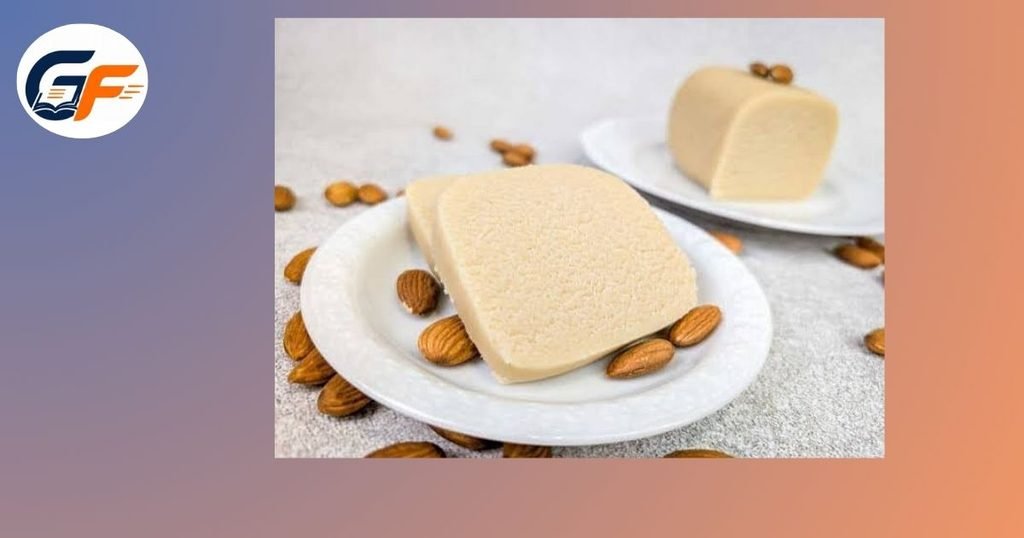
Marzipan is a confection made primarily from ground almonds and sugar. It has a smooth, moldable texture that makes it popular for decorating cakes, shaping edible figures, and preparing small sweets. Marzipan is especially associated with celebrations, weddings, and festive baking in various European traditions.
Its almond flavor gives it a distinctive taste compared with other sugar-based decorations. Because it contains almonds, it is unsuitable for people with certain nut allergies. Marzipan can be made at home using simple ingredients, although the proportions affect its softness and sweetness. Small portions are usually sufficient because it is energy-dense.
Muffuletta: A Famous Sandwich
Muffuletta is a substantial sandwich associated with New Orleans in the United States. It traditionally features a round sesame-seed loaf filled with sliced meats, cheeses, and a flavorful olive salad. The combination of salty, tangy, and savory ingredients gives the sandwich its distinctive character.
It is often prepared ahead of time so the flavors can blend together. Different versions may change the fillings according to personal preferences. Muffuletta can be sliced into portions and served at picnics, gatherings, or casual lunches. Because traditional fillings can contain considerable sodium and saturated fat, fresh vegetables and moderate portions can help balance the meal.
Mackerel: A Nutrient-Rich Fish
Mackerel is an oily fish enjoyed in many parts of the world. It can be grilled, baked, steamed, or cooked with spices and vegetables. Its rich flavor pairs well with lemon, garlic, herbs, and marinades. Mackerel provides high-quality protein and omega-3 fatty acids, which are important components of a balanced diet.
Nutrient levels and contaminant concerns vary by species, so choosing an appropriate variety is worthwhile. Proper refrigeration and thorough cooking are essential when preparing fish. Served with whole grains and vegetables, mackerel can form part of a satisfying meal that combines protein, healthy fats, and essential nutrients.
Millet: An Ancient and Versatile Grain
Millet is a group of small-seeded cereal grains cultivated in many regions, including parts of Africa and Asia. It can be cooked into porridge, used in flatbreads, or served as an alternative to rice. Different millet varieties have slightly different flavors and textures, making them suitable for sweet and savory dishes.
Millet supplies carbohydrates, fiber, and minerals in varying amounts. It is naturally gluten-free, although people who need to avoid gluten should check for cross-contact during processing. Including millet in a varied diet can introduce new textures and flavors while making use of a grain that has supported communities for generations.
Mulberries: Small Fruits with Big Flavor
Mulberries are small, soft fruits that grow on mulberry trees. Depending on the species and ripeness, they may be white, red, or deep purple. Their sweet flavor makes them suitable for eating fresh or adding to smoothies, jams, desserts, and fruit salads.
Mulberries contain fiber and plant compounds, and they also provide vitamins in varying amounts. Fresh berries are delicate and should be handled gently to avoid crushing them. They can be refrigerated for short-term storage or frozen for later use. Mulberries offer a delicious way to add variety to a fruit selection during their growing season.
Read More: Food That Starts With J: 30 Delicious Foods and Ingredients
Mozzarella Pizza: A Worldwide Favorite
Mozzarella pizza is a familiar dish that combines a baked dough base, tomato sauce, and melted mozzarella cheese. Additional toppings may include mushrooms, olives, peppers, chicken, or fresh herbs. The combination of a crisp crust, tangy tomato sauce, and creamy cheese makes pizza popular among people of different ages.
Homemade pizza allows cooks to choose their preferred ingredients and adjust portion sizes. Whole-grain dough and generous vegetable toppings can improve its overall nutritional balance. Although pizza can be high in sodium and saturated fat, it can fit into a varied diet when enjoyed in moderation alongside nutritious foods.
Macarons: Colorful French Delicacies
Macarons are delicate French-style sandwich cookies made from almond flour, sugar, and egg whites. They are often filled with buttercream, ganache, or fruit-based fillings and come in many colors and flavors. Popular choices include chocolate, pistachio, raspberry, vanilla, and lemon. Their crisp outer shell and soft interior make them recognizable in pastry shops around the world.
Macarons require careful preparation because the texture depends on accurate measurements and proper baking. They are frequently served at celebrations, afternoon tea, and special events. Since they contain sugar and commonly contain almonds, ingredient awareness and portion sizes are important.
Nachos with Melted Cheese and Vegetables
Nachos are a popular snack made from tortilla chips topped with ingredients such as melted cheese, beans, tomatoes, onions, salsa, and peppers. Although nachos do not begin with the letter M, they can feature many M foods, including mozzarella and mushrooms.
For an especially colorful plate, fresh vegetables and beans can be combined with a moderate amount of cheese. Nachos are commonly served at parties, movie nights, and casual gatherings because they are easy to share. Their nutritional value varies widely according to the toppings and portion size. Homemade versions allow better control over salt, cheese, and added sauces.
Moong Dal: A Popular Lentil Dish
Moong dal is made from mung beans and is a familiar ingredient in South Asian cooking. It can be prepared as a thin soup, a thick lentil curry, or a comforting dish served with rice and flatbread. Moong dal provides plant-based protein, fiber, and other nutrients, making it useful in vegetarian meals. Cooks often flavor it with turmeric, cumin, garlic, ginger, and other spices. It can also be combined with vegetables to add variety. Because it is relatively easy to cook when split and hulled, moong dal is a practical pantry staple for everyday family meals.
Mousse: A Light and Creamy Dessert
Mousse is a soft dessert known for its light, airy texture. Chocolate mousse is especially popular, but fruit, vanilla, coffee, and other flavors are also widely enjoyed. Traditional recipes may use whipped cream, eggs, chocolate, or sugar, while modern versions can use alternative ingredients. The texture is created by incorporating air into the mixture, producing a smooth dessert that feels lighter than many dense cakes. Mousse is often served in small glasses and decorated with fruit or chocolate shavings. Its nutritional value depends on the recipe, so smaller portions can be a sensible way to enjoy it.
Benefits of Exploring Food That Starts With M
Exploring food that starts with M can introduce people to new ingredients, cuisines, and cooking methods. Foods such as mangoes, melons, mushrooms, millet, and moong dal offer different nutrients and can contribute to a varied diet. Other choices, including muffins, macarons, and mousse, are enjoyable treats that may be included occasionally.
No single food provides every nutrient the body needs, so variety is important. Trying unfamiliar foods can also help families discover new recipes and make meals more interesting. Choosing suitable portions, preparing ingredients safely, and balancing different food groups are useful habits for everyday eating.
Conclusion
There are many delicious choices when exploring food that starts with M, from fresh fruits and nutritious grains to savory meals and sweet desserts. Mangoes, mushrooms, macaroni, mackerel, moong dal, and mozzarella each offer different flavors and culinary possibilities. Some are ideal for everyday meals, while others are best enjoyed as occasional treats.
Learning about these foods can make meal planning more creative and encourage people to explore cuisines from around the world. Whether you want a healthy breakfast, a comforting dinner, or a special dessert, foods beginning with M provide plenty of inspiration for your next meal.
FAQs
What Vegetables Start With M?
Vegetables that start with M include mushrooms, mustard greens, mizuna, Malabar spinach, and marrow.
What Sweet Foods Start With M?
Sweet foods that start with M include macaroons, muffins, macarons, mousse, mooncakes, and marshmallows.
What Fruits Start With The Letter M?
Fruits that start with M include mango, melon, mandarin, mulberry, mangosteen, and medlar.