
How Are You Holding Up Meaning: Definition, Uses, Replies, and Examples
The phrase “how are you holding up” is a common English expression used to ask how someone is coping with a difficult, stressful, emotional, or exhausting situation. Unlike a simple “how are you?”, it usually shows deeper concern about a person’s emotional or mental state.
People often use it when they know someone has been going through a challenging experience, such as a loss, breakup, illness, work pressure, family problem, or stressful period. Understanding the how are you holding up meaning can help you recognize the emotion behind the question and respond naturally in conversations, texts, and social situations.
How Are You Holding Up Meaning
The phrase “how are you holding up?” means “how are you coping with the situation?” or “how are you managing during this difficult time?” It is generally asked when someone is facing pressure, sadness, stress, or another challenging circumstance.
The expression suggests that the speaker knows things may not be easy and wants to check on the other person. For example, if your friend recently lost a family member, you might ask, “How are you holding up?” This question is more thoughtful than simply asking, “How are you?” because it recognizes that the person may be struggling emotionally.
What Does Holding Up Mean?
In this expression, “holding up” does not literally mean physically holding something. Instead, it refers to managing, coping, or continuing to function despite difficulties. When someone asks, “How are you holding up?”, they want to know whether you are managing emotionally or mentally.
The phrase can also suggest that the person has been under pressure for some time. For example, someone dealing with a demanding job might be asked, “How are you holding up with all this work?” Here, the speaker is asking whether the person is coping well with the workload and stress.
Is How Are You Holding Up A Concerned Question?
It is commonly used when someone knows that another person is experiencing a difficult situation. The question gives the other person an opportunity to talk honestly about how they feel. It can be used by friends, family members, coworkers, teachers, or other people who want to show support. However, the exact feeling depends on the situation and tone. When said sincerely, it communicates sympathy and concern. It can also be a gentle way of checking whether someone needs emotional support or simply someone willing to listen.
How Are You Holding Up In A Conversation?
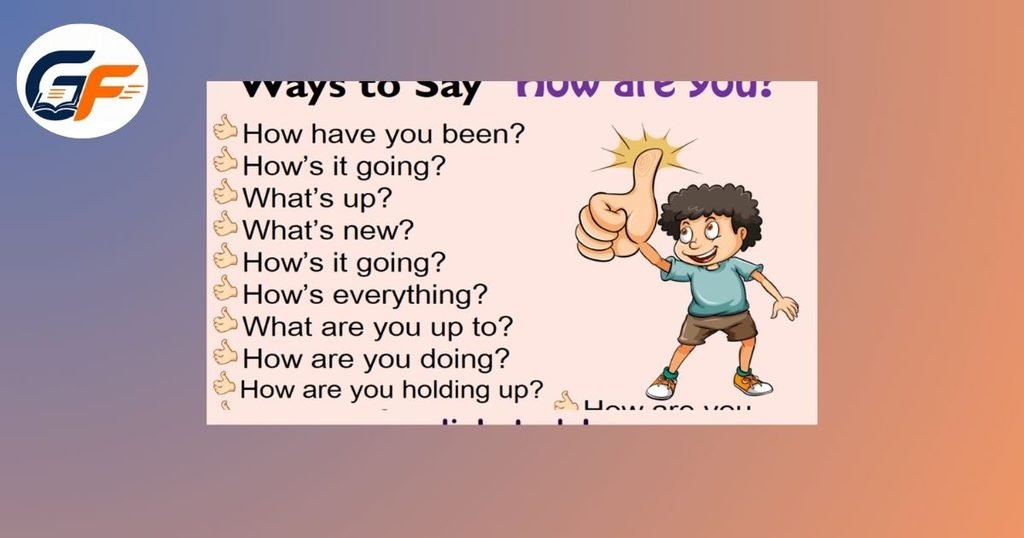
In conversation, “how are you holding up?” is normally used as a follow-up question after something difficult has happened. For example, if a coworker has been working long hours, you might say, “How are you holding up?” Similarly, after someone experiences a breakup, loss, or personal problem, this phrase can show that you care.
It is not usually used randomly with strangers because it implies that the speaker knows about a challenging situation. The phrase can be serious, but it does not always require a serious answer. Sometimes people respond casually by saying they are doing okay.
How Are You Holding Up After A Difficult Situation?
After a difficult situation, “how are you holding up?” means “how are you managing after everything that happened?” It gives the person space to explain their feelings without forcing them to say they are happy or fine.
For example, after an accident, someone might ask, “How are you holding up?” to check on the person’s emotional recovery. The question is especially appropriate when the person has been dealing with something for several days or weeks. It recognizes that difficult experiences can continue affecting someone even after the immediate event has ended.
How Are You Holding Up Meaning In Texting
In texting, “how are you holding up?” carries the same basic meaning as it does in spoken English. It usually means “Are you okay?”, “How are you coping?”, or “How are you managing everything?” The phrase can sound caring and personal when sent through a text message.
For example, if a friend knows you are having a stressful week, they might text, “Hey, how are you holding up?” This message shows that they remember what you are going through and are checking on you. Depending on the relationship, the message may be supportive, friendly, or emotionally caring.
How Are You Holding Up Meaning In A Relationship
When used in a relationship, “how are you holding up?” can express genuine emotional concern. A partner may use it when the other person is dealing with family problems, work stress, grief, or another difficult experience.
It can communicate that they are paying attention to their partner’s emotional condition. The phrase does not necessarily have a romantic meaning, however. Friends and family members use it too. In a romantic relationship, the tone may feel more intimate because partners often understand each other’s struggles more deeply. A thoughtful response can create an opportunity for honest communication and emotional support.
How Are You Holding Up Meaning From A Friend
It can be their way of saying, “I know things have been hard, so I wanted to see how you are doing.” A close friend may ask this after a breakup, exam stress, family problem, job issue, or personal disappointment.
The question can make you feel supported because it shows that your friend remembers your situation. You do not need to give a long answer. You can simply say that you are doing okay or explain what has been difficult.
How Are You Holding Up Meaning At Work
At work, the phrase can be used when an employee or coworker is experiencing pressure. For example, if someone has been handling a large project, working overtime, or dealing with a stressful deadline, a coworker might ask, “How are you holding up?”
In this context, the question means “How are you managing all this pressure?” It is generally more personal than asking, “How is the project going?” A professional response can remain simple, such as “It has been busy, but I’m managing.” The phrase can therefore be friendly while still remaining appropriate in a workplace conversation.
Read More: HMM Full Form In Chat: Meaning, Uses, And Examples
How Are You Holding Up Meaning After A Loss
It acknowledges that the person may be experiencing grief and does not expect them to simply say everything is fine. For example, after the death of a loved one, someone may ask, “How are you holding up?” as a gentle way of checking on them.
The question allows the grieving person to decide how much they want to share. A supportive listener should avoid pressuring them for details. Sometimes simply being available and listening is more helpful than trying to give advice.
How Are You Holding Up Meaning After A Breakup
After a breakup, asking “how are you holding up?” means asking how someone is coping emotionally with the end of the relationship. It can be especially appropriate when the breakup was recent or particularly painful. The phrase shows that the speaker understands the person may still be struggling.
A friend might text, “I know it has been a rough week. How are you holding up?” This sounds more caring than simply asking, “Are you okay?” because it recognizes that emotional recovery takes time. The person can answer honestly without feeling that they need to pretend everything is perfect.
How Are You Holding Up Vs How Are You Doing?
Although “how are you holding up?” and “how are you doing?” can sometimes have similar meanings, they are not always interchangeable. “How are you doing?” is a general question about someone’s condition and can be used in almost any situation. “How are you holding up?” is more specific and usually relates to a difficult or stressful situation.
If someone has recently experienced a problem, the second phrase sounds more understanding and empathetic. For example, asking a friend “How are you doing?” is general, while “How are you holding up after everything?” clearly recognizes that they are dealing with something challenging.
How Are You Holding Up Vs Are You Okay?
The phrases “are you okay?” check on someone’s wellbeing, but they have slightly different tones. “Are you okay?” is direct and can be used when you are immediately worried about someone. “How are you holding up?” usually refers to an ongoing difficult situation and sounds more reflective.
It gives the person more room to explain their emotional condition. Someone might answer “I’m okay” to either question, but “how are you holding up?” often encourages a deeper conversation. It communicates that the speaker understands the person may still be dealing with difficulties.
How To Respond To How Are You Holding Up?
There are many natural ways to respond to “how are you holding up?”, depending on how you actually feel. If things are going well, you can say, “I’m doing okay, thanks for asking.” If life has been difficult, you might say, “It’s been hard, but I’m getting through it.”
You can also keep your response short if you do not want to discuss the situation. For example, “I’m managing,” “I’m taking it one day at a time,” or “I’m doing better now” are natural responses. You are not required to share personal details simply because someone asks.
Best Replies To How Are You Holding Up?
- “I’m doing okay, thanks for checking.”
- “It’s been difficult, but I’m managing.”
- “I’m taking things one day at a time.”
- “Honestly, it has been pretty tough.”
- “I’m doing better than I was before.”
- “I’m hanging in there.”
- “I’m getting through it slowly.”
- “I appreciate you asking.”
- “I’m okay for now.”
- “It’s been a rough time, but I’m staying positive.”
How To Reply If You Are Doing Well
If you are coping well, you can give a positive but natural answer. You might say, “I’m doing pretty well, actually. Thanks for asking.” Another option is, “I’m managing well and things are getting easier.”
These responses reassure the person that you are okay while acknowledging why they asked. You can also keep it casual by saying, “I’m hanging in there, but I’m good.” The best response does not need to sound complicated. A short, honest answer is usually enough. If you appreciate their concern, adding “Thanks for checking on me” makes the response warmer.
How To Reply If You Are Struggling
If you are having a difficult time, you can answer honestly without explaining everything. For example, “Honestly, it’s been pretty hard, but I’m trying to get through it.” You could also say, “I’m struggling a little, but I appreciate you asking.” If you want to talk more, you can add, “I could actually use someone to talk to.”
This allows the conversation to continue naturally. Remember that there is no requirement to pretend everything is fine. The phrase “how are you holding up?” is often asked precisely because the other person understands that you may not be feeling your best.
Is How Are You Holding Up Formal Or Casual?
“How are you holding up?” is neither extremely formal nor extremely casual. It is a natural conversational expression that can be used in many settings. You can hear it between close friends, family members, coworkers, and acquaintances. Because it usually refers to a difficult situation, it has a more serious or caring tone than ordinary greetings.
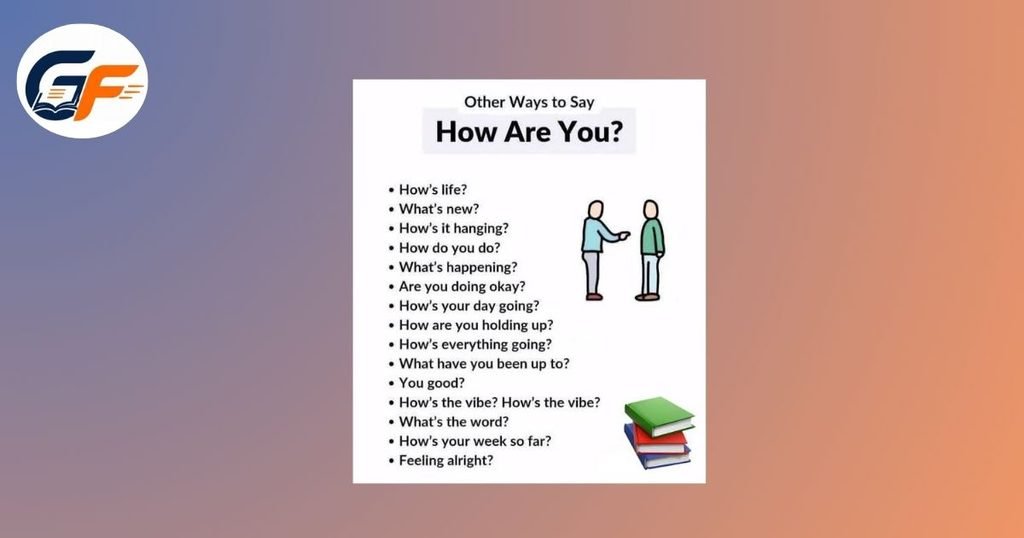
In a professional setting, it can still be appropriate when someone is under pressure or going through a challenging event. If you need a more formal alternative, you could say, “How are you managing?” or “How have you been coping?”
Is How Are You Holding Up A Good Question To Ask?
Yes, it can be a very thoughtful question when used at the right time. It shows that you recognize someone is dealing with something difficult and want to know how they are managing. The phrase is especially useful when you want to offer emotional support without immediately giving advice. However, context matters.
Asking someone “How are you holding up?” when there is no obvious difficult situation may sound unusual or overly serious. When the circumstances make sense, though, it can communicate genuine care. It gives the other person permission to be honest about their feelings.
How Are You Holding Up Meaning In A Caring Context
In a caring context, the phrase can communicate emotional support without being intrusive. When someone asks this sincerely, they are often saying, “I know things are difficult, and I want to know how you are coping.” This makes the expression useful when someone may not feel comfortable discussing their problems openly.
It creates an invitation rather than a demand. The person answering can give a detailed explanation or simply say they are okay. Because of this flexibility, “how are you holding up?” is often considered a compassionate phrase. The meaning becomes especially clear through the speaker’s tone and the surrounding situation.
How Are You Holding Up Meaning In American English
In American English, “how are you holding up?” is a common idiomatic expression used to ask how someone is managing during a difficult period. It can refer to emotional stress, physical exhaustion, work pressure, grief, relationship problems, or other challenges.
The expression is understood naturally by native speakers and does not sound strange in everyday conversation. It is often used after a known event or problem. For example, someone might ask a friend who has been studying for difficult exams, “How are you holding up?” meaning, “Are you managing all the stress and workload okay?”
How Are You Holding Up Meaning In British English
The phrase “how are you holding up?” is also understood and used in British English. Its basic meaning remains the same: asking how someone is coping with a difficult or demanding situation.
British speakers may also use expressions such as “How are you managing?” or “How are you getting on?” depending on the situation. “How are you holding up?” tends to carry a slightly more concerned tone because it focuses on someone’s ability to cope. The expression is therefore useful when you know that someone has experienced pressure, sadness, exhaustion, or another challenging circumstance.
Common Mistakes With How Are You Holding Up
One common mistake is using “how are you holding up?” as a completely ordinary greeting in every situation. Although it can sometimes be casual, it generally suggests that the person is dealing with something challenging. Another mistake is assuming that the person must be struggling because you asked the question.
The expression is simply an invitation to share. It is also important not to pressure someone after they give a short answer. If they say, “I’m okay,” you can respect that response. Good communication means allowing people to decide how much they want to discuss.
How Are You Holding Up In Social Media And Text Messages
On social media and in text messages, “how are you holding up?” is often used as a supportive check-in. A friend may send it after noticing that someone has posted about stress, sadness, work problems, or another difficult experience.
Because text messages lack facial expressions and voice tone, the phrase can sometimes feel serious. Adding a friendly opening can make it warmer, such as “Hey, just checking in. How are you holding up?” This shows that the message is intended as genuine support. It can also encourage someone who has been quiet to share how they are feeling.
How Are You Holding Up Meaning In Simple English
In simple English, “how are you holding up?” means “How are you managing?” or “Are you coping okay?” It is usually asked when someone is experiencing a difficult situation. For example, if your friend is stressed about exams, you can ask, “How are you holding up?”
This means you want to know whether they are managing the stress. The phrase is different from a basic “How are you?” because it usually has a specific situation behind it. It shows that you are aware of the person’s circumstances and are interested in how they are coping.
Why Do People Say How Are You Holding Up?
People use this phrase because it allows them to show concern without immediately asking for private details. Instead of asking, “What happened?” or “Why are you sad?”, they can simply ask, “How are you holding up?”
The person then chooses how much information to share. This makes the expression useful in sensitive situations. It can also show that the speaker has noticed someone’s difficulties and has not forgotten about them. In many cases, the phrase is less about getting factual information and more about offering an opportunity for emotional connection and support.
Final Words
The how are you holding up meaning is essentially “how are you coping?” or “how are you managing during this difficult time?” It is normally used when someone is experiencing stress, sadness, pressure, grief, exhaustion, or another challenging situation. The phrase communicates concern and gives the other person an opportunity to talk honestly.
It can be used in conversations, text messages, relationships, friendships, workplaces, and many other situations. A simple response such as “I’m doing okay,” “I’m hanging in there,” or “It has been difficult, but I’m managing” can be enough. Understanding the context makes it easier to use and respond to this expression naturally.
FAQs
What Does “How Are You Holding Up” Mean?
“How are you holding up?” means asking someone how they are coping with a difficult, stressful, or emotional situation.
What Is The Best Reply To “How Are You Holding Up”?
You can reply honestly, such as “I’m doing okay,” “I’m taking it one day at a time,” or “It’s been difficult, but I’m managing.”
When Should You Say “How Are You Holding Up”?
You can use this phrase when someone is going through a challenging time, such as stress, grief, illness, a breakup, work pressure, or another personal difficulty.