Please Accept My Apology: Meaning, Usage, Examples, and Best Apology Messages
Saying “Please Accept My Apology” is a sincere way to express regret when your words or actions have hurt, disappointed, or inconvenienced someone. A genuine apology can help repair relationships, rebuild trust, and show that you understand the impact of your mistake. Whether you are apologizing to a friend, family member, colleague, partner, or someone you respect, choosing the right words can make your message more meaningful.
“Please Accept My Apology” sounds polite, respectful, and heartfelt, especially when you want to take responsibility without making excuses. In this article, we will explore its meaning, appropriate usage, examples, and different ways to apologize sincerely.
What Does “Please Accept My Apology” Mean?
“Please accept my apology” is a polite and respectful phrase used when someone wants to say sorry for something they have done. It shows that the speaker recognizes a mistake, inconvenience, misunderstanding, or hurt caused to another person. The phrase can be used in personal, academic, professional, and formal situations.
It is especially useful when you want your apology to sound sincere without being too complicated. If you want to apologize respectfully, please accept that “my apology” is a simple and appropriate choice. It communicates regret while also showing that you value the other person and their feelings.
Please Accept My Apologies for the Inconvenience
Please accept my apologies for the inconvenience is commonly used when a mistake or unexpected situation has caused difficulty for another person. It is particularly useful in professional communication, customer service, business emails, and workplace messages. For example, if a meeting is canceled, a delivery is delayed, or a service is temporarily unavailable, this phrase can politely express regret.
The word “inconvenience” focuses on the trouble caused rather than placing too much attention on the mistake itself. A short message such as “Please accept my apologies for the inconvenience. We are working to resolve the issue as soon as possible” sounds professional and considerate.
Please Accept My Apologies
Please accept my apologies is another polite way to express regret. The plural word “apologies” can sound slightly more formal and is frequently used in professional and written communication. It can be used when you want to apologize for a delay, mistake, misunderstanding, missed appointment, or other problem.
For example, you might write, “Please accept my apologies for the delayed response.” This phrase is useful because it is respectful, clear, and suitable for many situations. When you are unsure how to begin a formal apology, please accept my apologies can provide a simple opening that immediately communicates sincerity and responsibility.
Kindly Accept My Apologies
Kindly accept my apologies is a formal and courteous expression that can be used in letters, emails, workplace communication, and official messages. The word “kindly” adds a respectful tone to the apology. It can be appropriate when communicating with a teacher, manager, customer, colleague, organization, or other person in a formal setting.
For example, “Kindly accept my apologies for missing the scheduled meeting” clearly explains the reason for the apology while maintaining professionalism. Although the expression sounds formal, it is still easy to understand. It is especially useful when you want your message to demonstrate respect and seriousness.
Please Accept My Sincere Apologies
Please accept my sincere apologies is a stronger and more heartfelt version of a general apology. The word “sincere” emphasizes that the speaker genuinely regrets what happened. This phrase is suitable for serious professional mistakes, personal misunderstandings, delayed responses, or situations in which another person’s feelings have been affected.
For example, “Please accept my sincere apologies for the confusion caused by my earlier message.” Adding “sincere” makes the apology sound more heartfelt without making the sentence unnecessarily long. It is a useful phrase when you want the other person to understand that your apology is genuine and that you recognize the seriousness of the situation.
Read More: Thank You Both: Meaning, Usage, Examples, and Correct Ways to Say It
Please Accept Our Apologies
Please accept our apologies is used when more than one person, a team, department, company, or organization is apologizing. It is common in customer service announcements, business emails, official notices, and group communications. For example, a company might say, “Please accept our apologies for the delay in responding to your request.” The word “our” makes it clear that the apology comes from a group rather than an individual.
This phrase is professional and neutral, making it suitable for situations where an organization wants to acknowledge a problem and show customers or members that their concerns are being taken seriously.
Please Accept My Apology for the Delay
Delays happen in workplaces, schools, businesses, appointments, deliveries, and personal communication. When you have responded late or completed something after the expected time, please accept my apology for the delay is an appropriate expression. It clearly identifies the reason for the apology and shows that you recognize the other person’s time.
You can make it more professional by adding a brief explanation and a solution. For example: “Please accept my apology for the delay in sending the report. I have completed the final review and attached the document.” This approach combines responsibility, explanation, and action professionally.
Please Accept My Apology for the Mistake
When you make an error, taking responsibility is usually better than making excuses. Please accept my apology for the mistake directly acknowledges what happened. It can be used in both professional and personal communication. For example, an employee might write, “Please accept my apology for the mistake in the report.
I have corrected the figures and reviewed the document again.” This type of apology is effective because it does not attempt to hide the error. A sincere apology should ideally be followed by corrective action when possible. Showing that you have fixed or are working to fix the mistake can make the apology more meaningful.
Please Accept My Apology for My Behavior
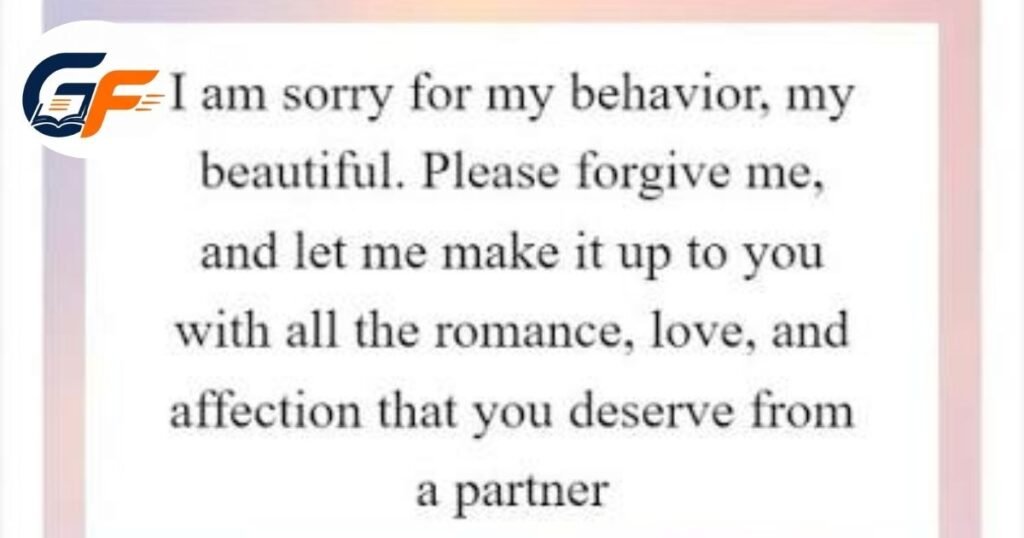
Sometimes an apology is needed because of something we said or did rather than because of a simple mistake. In such cases, please accept my apology for my behavior can communicate personal responsibility. It is suitable when someone realizes that their words, attitude, or actions were inappropriate.
A more complete message might say, “Please accept my apology for my behavior earlier. I understand that my words were inappropriate, and I regret speaking that way.” A good apology should avoid blaming the other person. Instead, it should acknowledge the behavior and demonstrate an intention to handle similar situations more respectfully in the future.
Please Accept My Apology for the Misunderstanding
Misunderstandings can happen because of unclear messages, incorrect assumptions, language differences, or poor communication. Please accept my apology for the misunderstanding is a useful phrase when you want to restore a positive relationship after confusion. For example, you could say, “Please accept my apology for the misunderstanding.
I realize that my message was not clear, and I should have explained the situation more carefully.” This type of apology recognizes the problem without unnecessarily assigning blame. Clear communication after an apology can help prevent the same misunderstanding from happening again and can rebuild confidence between the people involved.
Please Accept My Apology for Missing the Meeting
Missing a meeting without proper notice can create inconvenience for colleagues, teachers, managers, clients, or friends. A simple apology can show respect for their time. You might write, “Please accept my apology for missing the meeting. I understand that my absence may have caused inconvenience.”
If appropriate, you can add a request to reschedule or ask for the information discussed during the meeting. A professional apology should be brief and honest. Avoid giving unnecessary excuses. Instead, acknowledge the missed meeting, express regret, and explain what you will do next. This makes your communication more responsible and professional.
Please Accept My Apology for the Late Reply
Late replies are common in today’s busy world, but they can sometimes cause frustration or delay important work. Please accept my apology for the late reply is a polite way to acknowledge that you did not respond on time. You can make the message warmer by adding a brief reason, such as being busy with work or needing additional time to gather information.
For example: “Please accept my apology for the late reply. I needed some additional time to review the information before responding.” This phrase is useful for emails, messages, workplace communication, academic correspondence, and personal conversations.
Please Accept My Apology for Any Inconvenience Caused
When a situation has created difficulty for someone, please accept my apology for any inconvenience caused is a formal and courteous expression. It is particularly common in business and customer service communication. For example, a company may use it after a technical problem, delayed service, scheduling change, or unexpected interruption.
The phrase is useful because it recognizes the impact of the situation while keeping the tone professional. A stronger message can include a solution: “Please accept my apology for any inconvenience caused. We have now resolved the issue and are taking steps to prevent it from happening again.”
How to Write a Sincere Apology
A sincere apology should be clear, respectful, and honest. Start by acknowledging what happened instead of avoiding the issue. Then express regret and, when appropriate, explain what you will do to correct the situation. For example: “Please accept my sincere apologies for the mistake in the document. I understand that it confused you, and I have corrected the information.”
Avoid phrases that sound like you are blaming the other person, such as “I am sorry if you felt upset.” A stronger apology focuses on your responsibility. The goal is not simply to say sorry but to show that you understand why an apology is necessary.
Formal Apology in a Professional Email
Professional apologies should usually be brief, polite, and focused on the situation. You do not need to write a very long explanation. A simple structure can include an apology, acknowledgment of the problem, a short explanation if necessary, and a solution. For example: “Please accept my sincere apologies for the delay in submitting the report.
I understand the importance of meeting the deadline. I have completed the report and attached the final version for your review.” This format sounds professional because it accepts responsibility and demonstrates action. Please accept my apologies can also be used when a formal and neutral tone is preferred.
Personal Apology Message
Personal apologies can be warmer and more emotional than professional apologies. If you have hurt a friend or family member, it is important to recognize their feelings and show genuine regret. You might say, “Please accept my apology for what I said earlier. I realize that my words were hurtful, and I truly regret them.
I should have spoken more carefully.” Personal apologies do not always need formal language. The most important elements are honesty, responsibility, and respect. Avoid making the apology entirely about yourself. Give the other person space to express how they feel and allow the relationship time to heal.
Short Apology Messages
Sometimes a short apology is the best choice. If the situation is simple, a long explanation may make the message feel unnecessarily complicated. You can say, “Please accept my apology for the delay. I am sorry for keeping you waiting.” Another option is, “Please accept my apologies for the misunderstanding. I hope we can clear things up.”
For formal situations, “Kindly accept my apologies for the inconvenience” is a concise option. Short apologies work best when they are genuine and appropriate to the situation. If the problem is serious, adding a little context and explaining how you will correct it can be more helpful.
Professional Alternatives to “Please Accept My Apology”
There are several alternatives to please accept my apology, depending on the situation and level of formality. You can say, “I sincerely apologize,” “I apologize for the inconvenience,” “I am sorry for the delay,” “I regret the mistake,” or “Please accept my sincere apologies.” For group communication, please accept our apologies is appropriate.
In very formal writing, “Kindly accept my apologies” can be used. The best phrase depends on your relationship with the reader and the seriousness of the situation. Regardless of the wording, the apology should be honest, respectful, and focused on resolving the problem.
Common Mistakes to Avoid in an Apology
A good apology should not contain unnecessary excuses, accusations, or defensive statements. Saying “I am sorry, but you made me angry” can make the apology sound less sincere because it immediately shifts responsibility. Another mistake is apologizing without acknowledging what happened. A vague “Sorry about everything” may not communicate genuine understanding.
It is also important not to make promises you cannot keep. Instead, explain what you can realistically do to improve the situation. Whether you use please accept my apologies, please accept my sincere apologies, or another phrase, the most important part is demonstrating genuine regret and responsibility.
Final Words
“Please accept my apology” is a simple, respectful, and versatile phrase that can be used in many situations. Whether you are apologizing for a delay, mistake, misunderstanding, missed meeting, inappropriate behavior, or inconvenience, the right words can help repair communication and maintain good relationships.
Expressions such as please accept my apologies for the inconvenience, please accept my apologies, kindly accept my apologies, please accept my sincere apologies, and please accept our apologies provide useful options for different situations.
A meaningful apology should not only contain polite words but should also demonstrate responsibility and a willingness to make things right. A sincere “sorry” can be the first step toward rebuilding trust, improving communication, and creating a more respectful relationship.
FAQs
What Does “Please Accept My Apology” Mean?
“Please Accept My Apology” means you are sincerely asking someone to forgive you for something you did or said that may have hurt or disappointed them.
When Should I Use This Apology?
You can use it after making a mistake, causing inconvenience, misunderstanding someone, or saying something that may have hurt their feelings.
What Is A Good Apology Message?
A good message should acknowledge the mistake, express genuine regret, and avoid unnecessary excuses. Keeping your words honest and respectful can make the apology more meaningful.