

Vicious Vs Viscous: Meaning, Differences, Examples, And Easy Ways To Remember
Understanding the difference between vicious vs viscous can be confusing because these two words look and sound somewhat similar. They have completely different meanings and are used in different situations. Vicious usually describes something cruel, violent, dangerous, or harmful, while viscous describes a liquid that is thick and flows slowly.
For example, a vicious dog may be aggressive and dangerous, whereas viscous honey moves slowly because it is thick. Learning their meanings, pronunciation, examples, and common uses can help you avoid mistakes in writing and speaking. This guide explains everything about vicious and viscous in simple English.
What Does Vicious Mean?
The word vicious is an adjective used to describe someone or something cruel, violent, aggressive, or deliberately harmful. It can describe people, animals, actions, arguments, attacks, criticism, and even cycles of harmful behavior. For example, “The vicious dog frightened the children” means the dog was aggressive or dangerous.
Similarly, “She made a vicious comment” means the comment was extremely cruel or hurtful. The word can also describe something severe or destructive, such as a vicious storm or a vicious attack. In general, when you see vicious, think about cruelty, aggression, violence, or something seriously harmful.
What Does Viscous Mean?
The word viscous is an adjective related to the thickness of a liquid or fluid. A viscous substance does not flow easily because it has high resistance to movement. Honey, syrup, molasses, and some oils are common examples of viscous liquids. For example, “Honey is more viscous than water” means honey flows more slowly than water.
The term is frequently used in science, chemistry, physics, engineering, cooking, and everyday descriptions of liquids. Unlike vicious, viscous has nothing to do with cruelty or violence. When you see viscous, think about a thick liquid that moves slowly.
Vicious Vs Viscous: The Main Difference
The main difference between vicious vs viscous is their meaning. Vicious refers to cruelty, aggression, violence, danger, or harmful behavior. Viscous refers to the thickness and flow of a liquid. For example, “The vicious animal attacked its owner” uses vicious because the animal behaved aggressively.
The viscous liquid moved slowly through the pipe” uses viscous because the liquid was thick. Although the spelling differs by only one letter, their meanings are completely unrelated. Remembering this basic distinction is the easiest way to avoid confusing these words in sentences, essays, conversations, and professional writing.
Vicious Meaning In Simple English

In simple English, vicious means very cruel, violent, aggressive, or harmful. It can be used for a person who intentionally hurts others, an animal that attacks people, or an action that causes serious harm. For example, “The criminal launched a vicious attack” means the attack was extremely violent.
The word can also describe harsh words or behavior, such as “He received vicious criticism online.” Sometimes vicious describes a difficult repeating situation, as in “a vicious cycle.” In that expression, the word means a harmful pattern that keeps making a problem worse. Therefore, vicious generally carries a negative meaning connected with harm or cruelty.
Viscous Meaning In Simple English
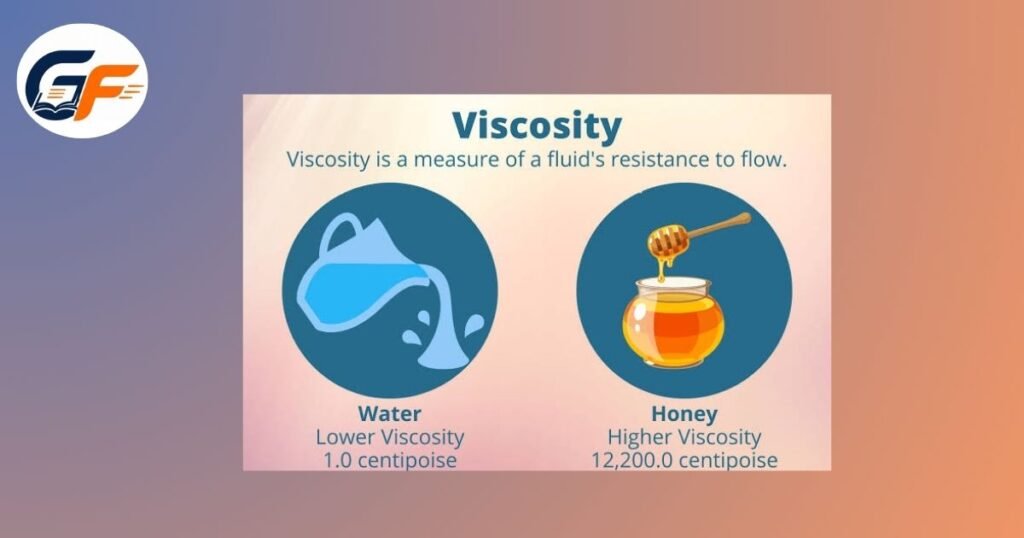
In simple English, viscous means thick and slow-moving when describing a liquid. Water has relatively low viscosity because it flows quickly and easily. Honey has greater viscosity because it moves slowly and takes longer to pour. Other examples include syrup, molasses, glycerin, and some types of oil.
The adjective viscous is often used when explaining how easily a fluid moves. For instance, “The viscous syrup stuck to the spoon” describes syrup that is thick and slow to flow. The important point is that viscous describes a physical property of fluids. It does not describe someone’s personality, behavior, or attitude.
Vicious Vs Viscous Pronunciation
Another reason people confuse vicious vs viscous is that their pronunciation is similar. Vicious is commonly pronounced like “VISH-us,” while viscous is pronounced like “VIS-kus.” The first word has a soft “sh” sound, while the second contains a clearer “k” sound. When speaking quickly, these differences can sometimes be difficult to notice.
Practicing the words separately can make them easier to recognize. Try saying “vicious animal” and “viscous liquid” several times. Associating each pronunciation with its meaning is especially helpful for English learners who encounter these words in conversations, reading, academic writing, or professional communication.
Read More: LMY Meaning – Complete Guide to Understanding LMY
Examples Of Vicious In Sentences
The word vicious can appear in many different contexts. Here are several examples: “The vicious dog broke through the fence.” “The two teams became involved in a vicious fight.” “She faced vicious criticism after the announcement.” “The tiger gave a vicious growl before moving toward its prey.” “They were caught in a vicious cycle of debt.”
These examples show that vicious can describe physical aggression, emotional cruelty, harsh criticism, or harmful situations. The exact meaning depends on the sentence, but the general idea is always connected with something severe, aggressive, cruel, or damaging.
Examples Of Viscous In Sentences
The word viscous is normally used to describe liquids or fluids. For example, “Honey is a viscous liquid.” “The viscous oil moved slowly through the machine.” “The scientist measured the viscosity of the viscous solution.” “The sauce became more viscous as it cooled.” “Molasses is highly viscous and pours very slowly.”
These examples demonstrate how viscous relates to fluid thickness and resistance to flow. If you are describing a liquid that moves slowly because it is thick, viscous is usually the appropriate word. Using it to describe a cruel person or violent action would be incorrect.
Vicious And Viscous In Everyday English
In everyday English, vicious is much more likely to describe behavior, people, animals, attacks, criticism, or situations. Viscous is more commonly encountered when talking about liquids, cooking, science, or technical subjects. For example, you might say, “That was a vicious argument,” but you would say, “
The syrup is viscous.” Native speakers generally understand the difference immediately from context. English learners can make the distinction easier by connecting vicious with violence or cruelty and viscous with viscosity or thick liquids. These simple associations provide a practical way to choose the correct word quickly.
Common Phrases With Vicious
There are several common expressions containing the word vicious. One of the best-known is vicious circle or vicious cycle, which describes a situation where one problem causes another and the problems continue reinforcing each other. For example, “Lack of sleep can create a vicious cycle of tiredness and poor concentration.” Other expressions include “vicious attack,” “vicious animal,” “vicious criticism,” “vicious rumor,” and “vicious fight.”
In each case, vicious communicates an idea of severity, aggression, cruelty, or harmful consequences. Learning these common phrases can make it easier to recognize and use the word naturally.
Common Uses Of Viscous
The word viscous is frequently used when describing fluids in scientific and technical contexts. Common examples include viscous oil, viscous liquid, viscous fluid, and highly viscous substance. In cooking, people may describe thick sauces, honey, caramel, or syrups as viscous.
In science, viscosity measures how strongly a fluid resists flowing. A fluid with high viscosity generally flows more slowly, while a fluid with low viscosity flows more easily. Understanding these common uses makes it easier to identify viscous whenever you encounter it in textbooks, laboratory discussions, technical documents, recipes, or educational articles.
Vicious Vs Viscous: Easy Memory Trick
A simple memory trick can help you remember vicious vs viscous. Think of vicious as being connected with violence. Both words begin with a “v,” and vicious describes something cruel, aggressive, or harmful. For viscous, think about viscosity, which describes how thick a fluid is and how easily it flows.
You can remember the pair with this sentence: “Vicious means violent; viscous means thick.” Whenever you are unsure which spelling to use, ask yourself whether you are describing harmful behavior or a thick liquid. This quick test can prevent many common vocabulary mistakes.
Viscosity And The Word Viscous
The word viscous comes directly from the concept of viscosity. Viscosity is a measurement of a fluid’s resistance to flow. A highly viscous liquid, such as honey or molasses, flows slowly. A less viscous liquid, such as water, flows much more freely. Temperature can also affect viscosity in many fluids.
For example, heating honey can make it flow more easily. This scientific connection explains why viscous is used in subjects such as physics, chemistry, engineering, and fluid mechanics. If you remember that viscous comes from viscosity, it becomes much easier to distinguish it from vicious.
Vicious Vs Viscous In Writing
Choosing between vicious vs viscous depends entirely on the context of your sentence. If you are writing about cruelty, violence, aggression, or harmful behavior, use vicious. If you are describing the thickness or flow of a liquid, use viscous. For example, “The article contained vicious criticism” is correct because the criticism was harsh and cruel. “
The laboratory tested a viscous solution” is correct because the sentence discusses the physical characteristics of a fluid. Checking the surrounding words can help you identify the intended meaning. Correct word choice improves clarity and prevents readers from misunderstanding your message.
Frequently Confused Words: Vicious And Viscous
Vicious and viscous are examples of commonly confused English words because they look and sound similar. However, their definitions are separated by a completely different concept. Vicious belongs mainly to the vocabulary of behavior, danger, aggression, and harmful situations.
Viscous belongs to the vocabulary of liquids, fluids, thickness, and flow. This difference becomes clear when you compare examples. A vicious dog may attack someone, while a viscous liquid may move slowly. Learning words through example sentences is often more effective than memorizing dictionary definitions alone because context shows how each word works naturally.
Vicious Vs Viscous Examples For Students
Students can remember the difference by studying short comparison sentences. “The vicious wolf attacked the farmer” uses vicious because the wolf is aggressive. “The viscous honey slowly covered the spoon” uses viscous because honey is thick. “The journalist wrote about a vicious attack” refers to violence.
“The engineer studied the behavior of a viscous fluid” refers to fluid movement. “They were trapped in a vicious cycle” describes a harmful repeating situation. “The viscous syrup was difficult to pour” describes a thick liquid. Comparing these examples side by side makes the distinction between the two words much easier to understand and remember.
How To Avoid Mistakes With Vicious And Viscous
The easiest way to avoid mistakes is to identify what you are describing before choosing the word. If the subject involves a person, an animal, an attack, a comment, an argument, or a harmful situation, “vicious” may be correct. If the subject is a liquid, fluid, syrup, oil, or another substance that flows, viscous is likely correct.
You can also use the memory phrase “vicious is violent, viscous is thick.” Before publishing an article, completing an assignment, or sending an important message, reread the sentence and check the meaning. This small habit can significantly improve your vocabulary accuracy.
Vicious Vs Viscous In Academic English
In academic English, both words may appear, but they usually belong to different subjects. Vicious can occur in psychology, sociology, literature, history, politics, or general discussions about harmful behavior. Viscous is especially common in physics, chemistry, engineering, biology, and other scientific fields.
For example, a psychology paper might discuss a “vicious cycle of stress,” while a physics paper could analyze a “viscous fluid.” Using the correct word is important because academic writing depends on precision. A single letter can completely change the meaning of a sentence, so students should always consider the context before choosing between vicious and viscous.
Final Thought
The difference between vicious vs viscous is simple once you connect each word with its main meaning. Vicious describes something cruel, violent, aggressive, severe, or harmful. Viscous describes a thick fluid that resists flowing easily. A vicious animal can be dangerous, while a viscous liquid can be slow-moving.
The words are similar in appearance, but their meanings have no direct connection. Remember the simple rule: vicious = cruel or violent, viscous = thick or slow-flowing liquid. With regular practice and a few example sentences, you can confidently use both words correctly in everyday and academic English.
FAQs
What Is The Difference Between Vicious And Viscous?
Vicious means cruel, aggressive, violent, or harmful, while viscous means thick and resistant to flow. For example, a vicious animal may attack someone, whereas a viscous liquid such as honey flows slowly.
Is Honey Vicious Or Viscous?
Honey is viscous, not vicious. Honey is a thick liquid that flows slowly because it has relatively high viscosity. The word viscous describes this physical property.
Is Viscous A Synonym For Thick?
Viscous can describe a liquid that is thick or resistant to flow, but it is more specific than the general word “thick.” It is mainly used for fluids and their resistance to flowing.
What Is An Easy Way To Remember Vicious Vs Viscous?
Remember “vicious is violent, viscous is thick.” Vicious relates to cruelty or aggression, while viscous relates to viscosity and thick liquids. This simple association can help you choose the correct word quickly.