How To Say Sorry I Missed Your Call Professionally: Complete Guide
If you missed an important phone call, sending a polite message is a simple way to show respect and professionalism. Knowing how to say sorry I missed your call professionally can help you communicate clearly without sounding too formal or careless.
Whether the caller is your manager, coworker, client, customer, friend, or business partner, the right words can make a good impression. A professional apology should usually be brief, polite, and honest. You do not always need to explain why you missed the call. A simple apology followed by an offer to call back is often enough.
Why It Is Important To Apologize For A Missed Call
When someone calls you and you cannot answer, responding later shows that you value their time. Learning how to say sorry I missed your call professionally is especially useful in workplace communication because unanswered calls can sometimes involve urgent tasks or important decisions.
A short apology can prevent misunderstandings and keep communication positive. You should avoid making a missed call sound like a major problem unless it actually was. Instead, acknowledge the missed call, apologize politely, and tell the person when you are available. This approach sounds confident, respectful, and professional without being unnecessarily complicated.
Simple Professional Ways To Apologize
The easiest way to apologize for a missed call is to keep your message short and direct. You can say, “Sorry I missed your call. Please let me know when you are available, and I will be happy to call you back.” Another option is, “Apologies for missing your call. I was unavailable at the time. Please let me know if you would like me to call you back.”
These messages work well in professional situations because they acknowledge the missed call and immediately focus on continuing the conversation. A professional apology does not need a long explanation or unnecessary personal details.
How To Say Sorry I Missed Your Call Professionally To Your Boss
When you miss a call from your boss, your message should be respectful but not overly apologetic. You can write, “Sorry I missed your call. I was unavailable at the time. Please let me know if you would like me to call you back.” If you know the call was important, you can add, “I apologize for missing your call. I am available now if you would like to speak.”
This approach shows that you understand the importance of the call and are ready to respond. Avoid casual phrases that could sound careless, especially if your workplace communication is formal.
Professional Message For A Coworker
When a coworker calls you, your message can be friendly while still remaining professional. For example, you can say, “Sorry I missed your call. I was away from my phone. Please let me know what you needed, or I can call you back when convenient.” You could also write, “Apologies for missing your call. I’m available now if you still need to discuss something.”
These messages are useful because they do not make the situation unnecessarily serious. They also give your coworker an easy way to continue the conversation. A friendly and professional tone is usually the best choice for workplace communication.
Professional Message For A Client
When responding to a client, your apology should sound polite and attentive. You can write, “I apologize for missing your call. I was unavailable at the time. Please let me know a convenient time to speak, or I would be happy to call you back.” Another option is, “Sorry I missed your call. Thank you for reaching out.
Please let me know when would be a convenient time to connect.” These messages show that you value the client’s time. They also avoid making excuses. When dealing with clients, focus on solving the communication gap rather than giving unnecessary personal explanations.
How To Apologize Without Giving An Excuse
You do not always need to explain why you missed someone’s call. In fact, too many excuses can sometimes make a professional message sound defensive. A simple “I’m sorry I missed your call” is enough in many situations.
You can follow it with “I was unavailable at the time, but I’m available now.” This sounds honest without providing unnecessary information. If the person needs to know why you were unavailable, you can explain briefly. Otherwise, keep your message focused on the next step. Professional communication is often more effective when it is clear, concise, and respectful.
How To Say Sorry I Missed Your Call In A Text
Text messages are one of the most common ways to respond after missing a call. You can write, “Sorry I missed your call. I was unavailable at the time. Please let me know if you would like me to call you back.” For a shorter message, try, “Sorry I missed your call.
I’m available now if you’re free to talk.” Another option is, “Apologies for missing your call. Please let me know a convenient time to speak.” These examples are professional enough for work while remaining natural. Choose the message based on your relationship with the caller and the urgency of the conversation.
Short Professional Messages For A Missed Call
Sometimes a short response is better than a long explanation. Here are several professional options you can use:
- Sorry I missed your call. Please let me know when you are available.
- Apologies for missing your call. I’m available now if you would like to speak.
- Sorry I couldn’t take your call. Please let me know a convenient time to call you back.
- I apologize for missing your call. I’ll return your call as soon as possible.
- Sorry I missed your call. Please let me know if you still need to discuss anything.
- Apologies for the missed call. I’m available whenever it is convenient for you.
Polite Ways To Ask Someone To Call Back
After apologizing, you may want to ask the person to call you again. The wording should be polite and should not sound demanding. You can say, “Sorry I missed your call. If you have a moment, please feel free to call me back.” Another option is, “Apologies for missing your call. Please call me when it is convenient for you.”
If the matter is urgent, you can say, “Sorry I missed your call. If this is urgent, please call me back when you are available.” These phrases give the other person flexibility while making it clear that you are ready to communicate.
How To Say Sorry I Missed Your Call Professionally In An Email
If the missed call was related to an important business matter, an email may be more appropriate than a text. You can write, “I apologize for missing your call earlier. I was unavailable at the time. Please let me know a convenient time to speak, and I will make myself available.”
You can also mention that you are returning the call if you have already done so. A professional email should be polite and specific. If the person contacted you about a particular issue, briefly mention that issue so they know you understand the purpose of the call.
What To Say When You Miss An Important Call
If you believe the call was important, respond as soon as possible. A suitable message could be, “I apologize for missing your call. I understand this may be important. I’m available now if you would like to speak.”
Another option is, “Sorry I missed your call earlier. Please let me know if the matter is urgent, and I’ll do my best to respond promptly.” This type of response communicates responsibility. You do not need to panic or write a lengthy apology. The most important thing is to acknowledge the call and make a clear effort to continue communication.
How To Apologize For Missing A Call From A Customer
Customer communication requires patience and professionalism. If you miss a customer’s call, you can say, “We apologize for missing your call. Please let us know how we can assist you, and we will be happy to help.” For an individual response, you can write, “I’m sorry I missed your call.
Thank you for reaching out. Please let me know how I can assist you.” These messages make the customer feel acknowledged. Avoid sounding annoyed or blaming the customer for calling at an inconvenient time. A helpful and respectful response can improve the overall customer experience.
How To Say Sorry I Missed Your Call When You Were Busy
Being busy is a common reason for missing calls, but you should explain it professionally. Instead of saying, “I was too busy to answer,” try, “Sorry I missed your call. I was tied up with another matter at the time.”
You can then add, “I’m available now if you would like to speak.” This sounds more professional and avoids giving the impression that the caller was unimportant. If you are still busy, tell them when you expect to be available. Clear communication helps the other person understand when they can expect a response.
Professional Apology When You Were In A Meeting
Meetings are a legitimate reason for missing calls, especially at work. You can say, “Sorry I missed your call. I was in a meeting and couldn’t answer. Please let me know when you are available, and I’ll call you back.”
Another professional option is, “Apologies for missing your call. I was in a meeting at the time. I’m available now if you still need to speak.” This explanation is brief and reasonable. There is no need to provide details about the meeting unless they are relevant. Simply explain that you were unavailable and offer a practical next step.
Professional Apology When Your Phone Was On Silent
If your phone was on silent, you can be honest without making the message sound careless. For example, “Sorry I missed your call. My phone was on silent, so I didn’t notice the call. Please let me know if you’re available to speak now.” You can also say, “Apologies for missing your call.
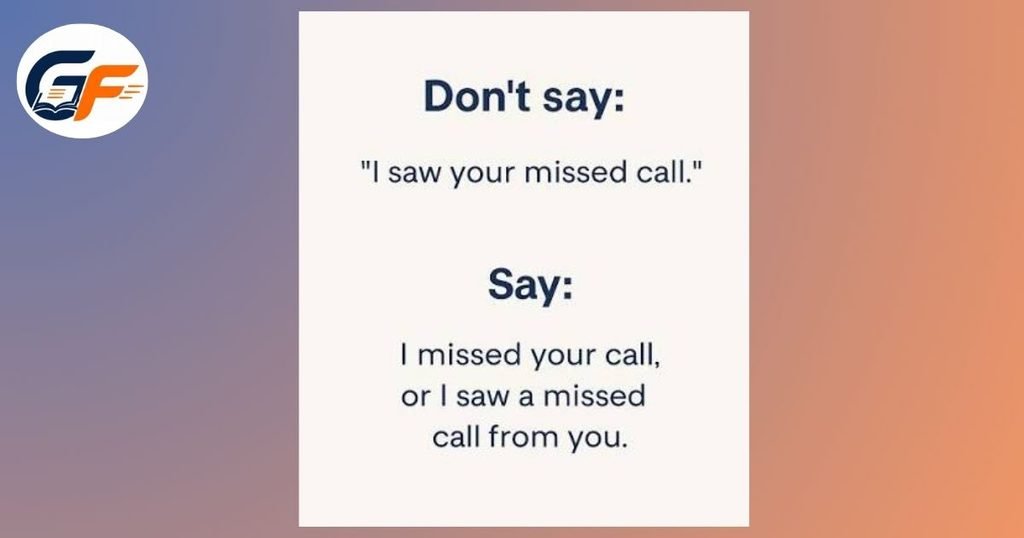
I didn’t notice it at the time. I’m available now if you would like to connect.” This wording is better than simply saying you did not see the call. It acknowledges the situation while showing that you are ready to communicate.
What Not To Say After Missing A Professional Call
Some phrases can make a missed-call response sound rude or careless. Avoid messages such as “Why did you call?” because they may sound demanding. “I was busy” can also sound dismissive when used without an apology. Similarly, saying “You should have texted me” shifts responsibility to the caller.
Instead, take responsibility for missing the call and focus on what happens next. A better response is, “Sorry I missed your call. Please let me know what time works best for you.” Professional communication should reduce tension rather than create it.
How Quickly Should You Respond After Missing A Call?
The appropriate response time depends on the situation. If you miss an urgent work call, try to respond as soon as possible. For a regular business call, replying within a reasonable period is usually sufficient. If you notice the missed call immediately, you can return it rather than sending a message first.
If you cannot call back, send a short text explaining that you saw the call and will respond later. Prompt communication demonstrates reliability. You do not need to apologize repeatedly. One sincere apology followed by appropriate action is generally enough.
How To Make Your Apology Sound Natural
Professional does not mean overly formal. Your message should sound like something you would naturally say. Instead of using complicated language, choose simple phrases such as “Sorry I missed your call,” “Apologies for missing your call,” or “I’m sorry I couldn’t answer.” Then explain your availability.
For example, “I’m free now if you’d like to talk” sounds natural and professional. The goal is to communicate respect without sounding robotic. Consider your relationship with the person, the seriousness of the call, and your workplace culture when deciding how formal your message should be.
Professional Alternatives To “Sorry I Missed Your Call”
There are several alternatives to the phrase “sorry I missed your call.” You can say, “Apologies for missing your call,” which sounds slightly more formal. “I’m sorry I couldn’t take your call” is another polite option.
For a business setting, “I apologize for being unavailable when you called” can work well. You can also write, “Thank you for calling. I’m sorry I wasn’t able to answer.” Each phrase has a slightly different tone, but all communicate the same basic idea. Choose the one that best matches your relationship with the caller and the situation.
How To Respond If You Cannot Call Back Immediately
Sometimes you miss a call but cannot return it immediately. In that case, tell the person when you expect to be available. You can write, “Sorry I missed your call. I’m currently unavailable, but I should be free after 4 PM.
I’ll call you then.” Another option is, “Apologies for missing your call. I’m unable to speak at the moment, but I’ll get back to you as soon as I’m available.” Providing a timeframe is helpful because it prevents the other person from wondering when you will respond. It also demonstrates reliability and consideration.
How To Say Sorry I Missed Your Call Professionally To A Friend
Professional language is not always necessary when speaking to a friend, but you can still be polite. You might say, “Sorry I missed your call! I was away from my phone. Let me know when you’re free, and I’ll call you.”
If you want a more casual message, “Sorry I missed your call. I couldn’t answer at the time. Give me a call when you’re free.” The important point is to match your tone to your relationship. There is no need to sound extremely formal when communicating with someone you know well.
How To Follow Up After A Missed Call
Following up is especially important when the missed call concerns work, customers, appointments, or deadlines. After apologizing, tell the person what you plan to do next. For example, “Sorry I missed your call earlier. I’ve just seen your message and will call you shortly.”
If you already returned the call, you could write, “I noticed I missed your call and have just tried reaching you. Please let me know when you are available.” A good follow-up message shows that you are taking responsibility instead of simply acknowledging the missed call.
How To Say Sorry I Missed Your Call Professionally Without Sounding Rude
Tone is very important in written communication because the reader cannot hear your voice. A short message such as “I missed your call. What did you need?” might sound rude even if you did not intend it that way.
Adding a polite apology makes the message warmer. Try, “Sorry I missed your call. Please let me know what you needed, and I’ll be happy to help.” This version communicates the same information but sounds more respectful. Using words such as “please,” “sorry,” “apologies,” and “thank you” can make professional messages feel more considerate.
Examples For Different Professional Situations
Different situations require slightly different wording. For a manager, you can say, “Apologies for missing your call. I’m available now if you would like to speak.” For a client, try, “I apologize for missing your call. Please let me know a convenient time to connect.”
For a coworker, “Sorry I missed your call. Let me know when you’re free, and I’ll call you back.” For a customer, “I’m sorry I missed your call. Please let me know how I can assist you.” The best message is one that fits both the relationship and the situation.
Professional Missed Call Messages For WhatsApp
WhatsApp messages can be professional while still sounding natural. You could write, “Sorry I missed your call. I was unavailable at the time. Please let me know when you’re free to talk.” Another option is, “Apologies for missing your call.
I’m available now if you still need to speak.” If you are not available, say, “Sorry I missed your call. I’m currently unavailable but will get back to you later today.” Avoid using too many emojis, abbreviations, or casual expressions when messaging a client, manager, or professional contact.
When You Should Call Back Instead Of Texting
Sometimes the best response to a missed call is simply to call back. If the caller is your manager, a client, or someone contacting you about an urgent issue, returning the call quickly can be more effective than sending a message. If you cannot talk immediately, send a brief text first.
For example, “Sorry I missed your call. I’m unable to speak at the moment, but I’ll call you back shortly.” This keeps the person informed and shows that you are taking the call seriously. Use text when you need to communicate your availability before calling.
Read More: Please Accept My Apology: Meaning, Usage, Examples, and Best Apology Messages
Tips For Professional Missed Call Etiquette
Good missed-call etiquette is simple. First, acknowledge the call when you notice it. Second, apologize briefly if appropriate. Third, explain your availability without giving unnecessary details. Fourth, offer to call back or ask for a convenient time. Finally, follow through with whatever you promise.
Avoid repeatedly apologizing, making excuses, or blaming the caller. A professional response should be calm and solution-focused. Even if you missed the call because you were busy, responding respectfully shows that you value the other person’s time and are willing to continue the conversation.
Common Mistakes To Avoid
One common mistake is giving a very long explanation about why you missed the call. Another is responding with a message that sounds annoyed. You should also avoid promising to call back if you are not sure when you can do it. Instead, provide a realistic timeframe. Another mistake is waiting too long when the call may be urgent.
Finally, avoid overly casual phrases in formal situations. A simple, respectful message is usually better. Remember that how to say sorry I missed your call professionally depends on the situation, but the basic principles remain the same: apologize, acknowledge, and communicate the next step.
Final Words
Knowing how to say sorry I missed your call professionally can make workplace and business communication easier. The best apology is usually short, polite, and focused on moving the conversation forward. You can say that you were unavailable, offer to call back, or ask for a convenient time to speak.
There is no need to provide a long explanation unless it is necessary. Whether you are responding to a manager, client, coworker, customer, or professional contact, showing respect for the person’s time is the most important thing. A simple apology followed by helpful action creates a positive impression.
FAQs
How Do You Say Sorry I Missed Your Call Professionally?
You can say, “I apologize for missing your call. I was unavailable at the time. Please let me know when you are available, and I’ll be happy to call you back.” This sounds polite and professional without giving unnecessary details.
What Is A Short Professional Message For A Missed Call?
A short message can be, “Sorry I missed your call. I’m available now if you would like to speak.” You can also say, “Apologies for missing your call. Please let me know a convenient time to connect.”
How Do You Apologize For Missing Your Boss’s Call?
You can write, “Apologies for missing your call. I was unavailable at the time. I’m available now if you would like to speak.” This shows respect while also making it clear that you are ready to respond.