Reply Of Take Care Of Yourself: Meaning, Best Replies, And Examples
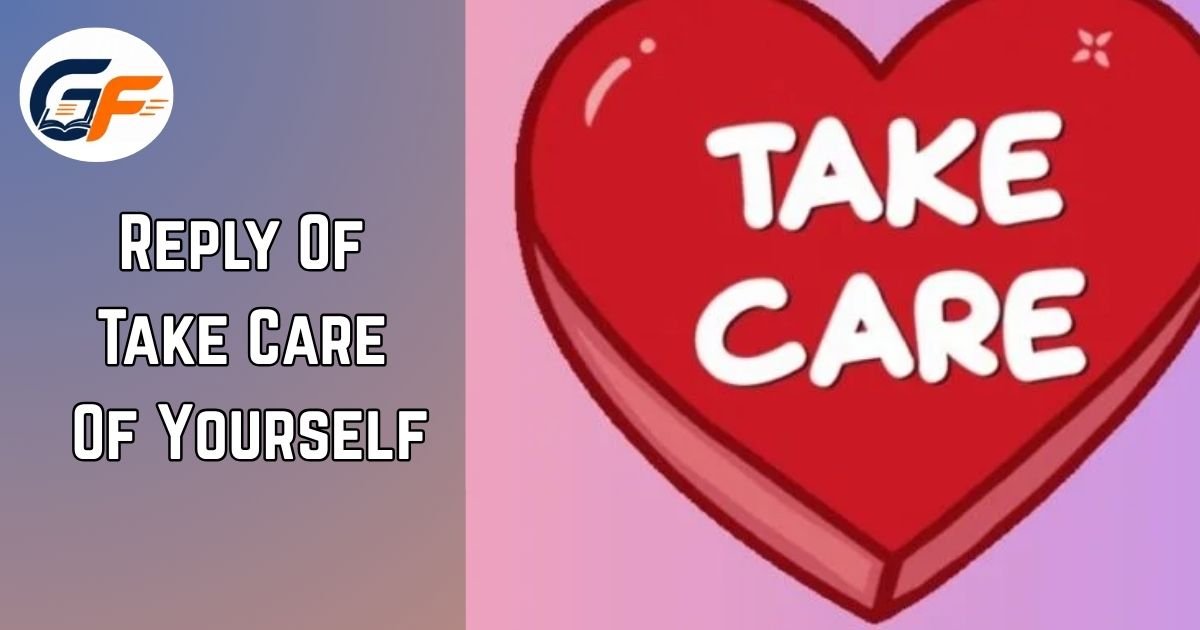
When someone says the Reply of take care of yourself,” they are usually expressing concern, kindness, or affection. The right reply depends on the person who said it and the situation in which they said it. You can give a simple answer such as “Thank you, you too,” or choose a warmer response when talking to someone close to you.
In this guide, you will find different ways to reply naturally, including friendly, romantic, cute, emotional, funny, and professional responses. These examples will help you understand what the phrase means and choose a suitable response for texting, conversations, or saying goodbye.
What Does “Take Care Of Yourself” Mean?
“Take care of yourself” means that someone wants you to look after your health, safety, emotions, or general well-being. People often use this phrase to end a conversation, say goodbye, or express concern about someone. It can be used by friends, family members, coworkers, partners, or anyone who genuinely wishes you well.
The phrase does not always have a romantic meaning. Its meaning depends on the relationship and situation. For example, a friend may say it because they are worried about you, while a partner may use it to express love and affection.
Best Reply Of Take Care Of Yourself
The best response depends on your relationship with the person and the tone of the conversation. If someone simply says “take care of yourself” as they leave, you can respond with “Thank you, you too.”
This is short, polite, and suitable for almost everyone. If the person is close to you, you can make the response warmer by saying, “I will, and you take care of yourself too.” When someone is genuinely worried about you, saying “Thank you for caring about me” can show appreciation. A good response should feel natural and match the emotions behind the conversation.
Simple Reply To Take Care Of Yourself
A simple response is often the best choice when you do not want to make the conversation complicated. You can say “Thank you, you too,” which is one of the most common replies. Other simple options include “I will, thank you,” “You take care too,” “Thanks, same to you,” and “I appreciate it.”
These replies work well with friends, family members, coworkers, and acquaintances. You do not always need a long message to show that you appreciate someone’s concern. A short and sincere answer can be enough to acknowledge their kindness and return their good wishes naturally.
Read More: Please Accept My Apology: Meaning, Usage, Examples, and Best Apology Messages
Reply To Take Care Of Yourself From A Friend
When a friend tells you to take care of yourself, a casual and friendly response usually works best. You can say, “Thanks, buddy. You take care too,” or “I will. Thanks for caring!” If you have a close friendship, you can also use a playful response such as, “I will, but you better take care of yourself too.”
Friends often use this phrase when saying goodbye, checking on you, or showing concern during a difficult time. Your reply does not need to sound formal. A warm and relaxed response can make your friend feel appreciated and strengthen your friendship.
Reply To Take Care Of Yourself From Someone You Love
When someone you love says “take care of yourself,” their words may carry more emotional meaning. They may be showing affection or reminding you that your well-being matters to them. A sweet response could be, “Thank you for caring about me.
I will, and you take care too.” You can also say, “I promise I’ll take care of myself. Please do the same.” If you want something shorter, “I will, sweetheart. You take care too” sounds warm and natural. The most important thing is to respond honestly and choose words that match the relationship you share.
Romantic Reply To Take Care Of Yourself
A romantic response can be affectionate without being overly complicated. If your partner tells you to take care of yourself, you could say, “I will, my love. You take care of yourself for me too.” Another option is, “I promise, but only if you promise to stay safe too.” You can also write, “Thank you for always caring about me.
It means more than you know.” These replies show that you appreciate your partner’s concern and return the same affection. A romantic message should feel genuine and personal rather than sounding like a copied phrase from somewhere else.
Cute Reply To Take Care Of Yourself
A cute response can make the conversation more cheerful and show affection at the same time. You could say, “I will if you promise to do the same!” Another cute option is, “Aww, thank you. You take care too.” If you have a playful relationship, you can say, “Okay, but you have to promise me too.”
These responses are useful when texting a close friend, sibling, partner, or someone you like. A cute reply does not need to be very long. A few warm words can easily make the other person smile while showing that you appreciate their concern.
Emotional Reply To Take Care Of Yourself
Sometimes “take care of yourself” is said during an emotional conversation, especially when people are saying goodbye or going through a difficult situation. In such moments, a sincere response can be more meaningful than a simple “you too.” You can say, “Thank you for caring about me.
Your words really mean a lot.” Another option is, “I will. Please take care of yourself too, and always stay safe.” These replies acknowledge the person’s feelings and show that you also care about their well-being. Keeping your response honest and heartfelt can make an emotion and conversation feel more respectful and meaningful.
Funny Reply To Take Care Of Yourself
If you have a humorous relationship with the person, you can give a funny response. Humor can make a simple goodbye more enjoyable and relaxed. For example, you can say, “I’ll try, but no promises!” Another funny reply is, “Okay, I’ll add that to my daily schedule.”
You could also say, “Don’t worry, I’m professionally trained to take care of myself.” These responses are best used with people who understand your sense of humor. If the person is seriously worried about you or the conversation is emotional, it is better to use a sincere response instead of making a joke.
Reply To Take Care Of Yourself From A Girl
If a girl tells you “take care of yourself,” the right response depends on your relationship with her. If she is your friend, you can simply say, “Thanks, you take care too.” If you want to sound sweet, say, “Thank you, that’s really kind of you.
You stay safe too.” If she is someone you like, you can give a slightly warmer response such as, “I will. You better take care of yourself too.” There is no need to assume that the phrase is romantic. Pay attention to the overall conversation and choose a reply that feels comfortable and natural.
Reply To Take Care Of Yourself From A Boy
When a boy says “take care of yourself,” you can respond according to your relationship with him. If he is a friend, “Thanks, you take care too” is a simple and natural response. If you want to sound friendly and sweet, you can say,
“I will. Thanks for caring about me.” If you have romantic feelings for him, you might say, “I promise. You take good care of yourself too.” The important thing is not to overthink the phrase. It can simply be a caring expression. Your response should match the level of closeness between both people.
Professional Reply To Take Care Of Yourself
In a professional conversation, it is better to keep your response polite, respectful, and simple. If a coworker, manager, client, or teacher says “take care of yourself,” you can reply, “Thank you. You take care as well.” Another suitable response is, “I appreciate your concern.
Take care.” You can also say, “Thank you, and I wish you well too.” These responses maintain a professional tone without sounding too personal. The phrase is often used when ending a work conversation, especially before a holiday, leave, trip, or after discussing a stressful situation. A respectful response is usually enough.
Short Reply Of Take Care Of Yourself
Sometimes you may not want to send a long message, especially during a quick text conversation. In that case, a short response is perfectly acceptable. You can simply write “You too!” or “Thanks, you too.”
Other options include “I will,” “Same to you,” “Take care too,” “Thanks, I appreciate it,” and “Definitely!” These short replies are natural because they return the person’s good wishes without extending the conversation unnecessarily. If the person is close to you, you can add a heart or another friendly expression if it matches your usual texting style.
Sweet Replies For Text Messages
Text messages give you the opportunity to make your response a little more personal. If someone sends “take care of yourself,” you can say, “Thank you for caring about me. I promise I’ll take care of myself. You do the same.” A shorter sweet reply is, “Aww, thank you.
Please take care of yourself too.” You can also say, “Your concern really means a lot to me.” These responses are suitable for close friends, family members, and people you care about. The goal is to acknowledge their kindness and make them feel that their concern is appreciated.
What To Say Instead Of “You Too”
Although “you too” is completely natural, you may sometimes want to give a more thoughtful response. Instead of using the same two words every time, you can say, “Thank you for caring. Please stay safe too.”
Another option is, “I will. I hope you take good care of yourself as well.” You can also write, “Thanks for reminding me. You take good care too.” These alternatives sound slightly more personal while keeping the same meaning. Choosing different responses can make your conversations feel less repetitive and allow you to express your appreciation more clearly.
Is “You Too” A Good Reply To “Take Care Of Yourself”?
Yes, “you too” is one of the most common and natural responses to “take care of yourself.” When someone tells you to take care of yourself, saying “you too” means that you are returning the same wish.
For example, if someone says, “Take care of yourself,” you can simply answer, “Thanks, you too!” This response is suitable for friends, coworkers, relatives, and acquaintances. If you want to sound a little warmer, you can say, “Thank you, you take care too.” Both versions are correct and commonly used in everyday conversations and text messages.
Is “Take Care Too” A Good Response?
Yes, “take care too” is understandable and can be used as a response. However, “You take care too” or “Thanks, you too” may sound more natural in everyday English. For example, when someone says, “Take care of yourself,” you can respond with, “Thanks, you take care too.”
This clearly shows that you are returning their kind wish. In casual texting, even “Take care!” can work as a response. The exact wording is less important than the intention behind it. Your response should communicate that you also want the other person to remain safe and well.
Reply Of Take Care Of Yourself In A Relationship
In a relationship, the phrase can be more affectionate because partners often care deeply about each other’s well-being. If your partner says “take care of yourself,” you can respond with, “Thank you for always caring about me.
I promise I’ll take care of myself, and I want you to do the same.” A shorter romantic reply is, “Always, my love. You take care too.” You can also say, “I promise. Stay safe for me.” These responses show affection while returning the concern. The best response is one that sounds natural and reflects the feelings you genuinely have.
Reply When Someone Is Worried About You
When someone says “take care of yourself” because they are worried about you, it is helpful to reassure them. You can say, “Thank you for worrying about me. I’m doing my best to take care of myself.” Another option is, “I really appreciate your concern.
I’ll be careful, so don’t worry.” These responses acknowledge their feelings while letting them know that you understand their concern. If you want to keep it short, you can simply say, “Thanks for caring. I promise I’ll look after myself.” A reassuring response can make the other person feel more comfortable.
Reply When Saying Goodbye
“Take care of yourself” is often used when saying goodbye, especially when two people will not meet for some time. A natural response is, “Thanks, you too. See you soon.” You can also say, “I will. Take care and stay safe.”
If you are saying goodbye to a friend, “You too, and keep in touch” sounds friendly. For a coworker, “Thank you. Take care and have a great day” is appropriate. The best goodbye response does not need to be complicated. Simply returning the good wish shows politeness and lets the other person know you appreciate their words.
How To Choose The Right Reply
Choosing the right response depends mainly on the person, situation, and tone of the conversation. With a coworker, use something polite such as “Thank you, you too.” With a close friend, you can be casual and say, “Thanks, buddy. Take care too.”
With a partner, a warmer response such as “I will, my love. You stay safe too” may be appropriate. If the conversation is emotional, choose sincere words that acknowledge the person’s feelings. Understanding the situation will help you avoid giving a response that sounds too formal, too casual, or unnecessarily romantic.
Why Do People Say “Take Care Of Yourself”?
People say “take care of yourself” because they want to express concern or kindness. It can be a simple way of saying that they hope you remain healthy, safe, and happy. Sometimes the phrase is used when someone is leaving, while other times it is said because the person knows you are dealing with stress, tiredness, travel, or another difficult situation.
It can also be an affectionate expression between people who are close. The phrase itself is positive and caring. Its exact emotional meaning depends on who says it and what is happening during the conversation.
Final Thoughts
Knowing the right reply of take care of yourself makes everyday conversations easier and more natural. There is no single response that works in every situation because your relationship with the other person matters. For a simple conversation, “Thank you, you too” is enough. With a friend, you can use a casual or funny reply.
With a partner, you can choose something sweet and romantic. During an emotional moment, a sincere response may be better. The most important thing is to acknowledge the person’s concern and return their good wishes. A simple, genuine response can show kindness and appreciation.
FAQs
What Is The Best Take Care Reply?
The best take care reply is “Thank you, you too!” It is short, polite, and natural. You can also say “Thanks, take care too,” or “I will, thank you.” The right response depends on your relationship with the person and the situation.
What Is A Take Care Reply In English?
A common take care reply in English is “Thank you, you too.” Other natural responses include “You take care too,” “Thanks, I will,” and “Take care as well.” These replies are suitable for friends, family members, coworkers, and casual conversations.
What To Reply For Take Care?
If you are wondering what to reply for take care, you can simply say, “Thank you, you too.” For a friend, you can say, “Thanks, buddy. You take care too.” For someone special, “I will, you take care too” sounds warm and caring.
What Is The Best Reply Of Take Care?
The best reply of take care is “Thanks, you too!” This response naturally returns the person’s good wishes. You can also use “I will, thank you,” “You take care too,” or “Thanks for caring.” These replies work well in both texting and face-to-face conversations.